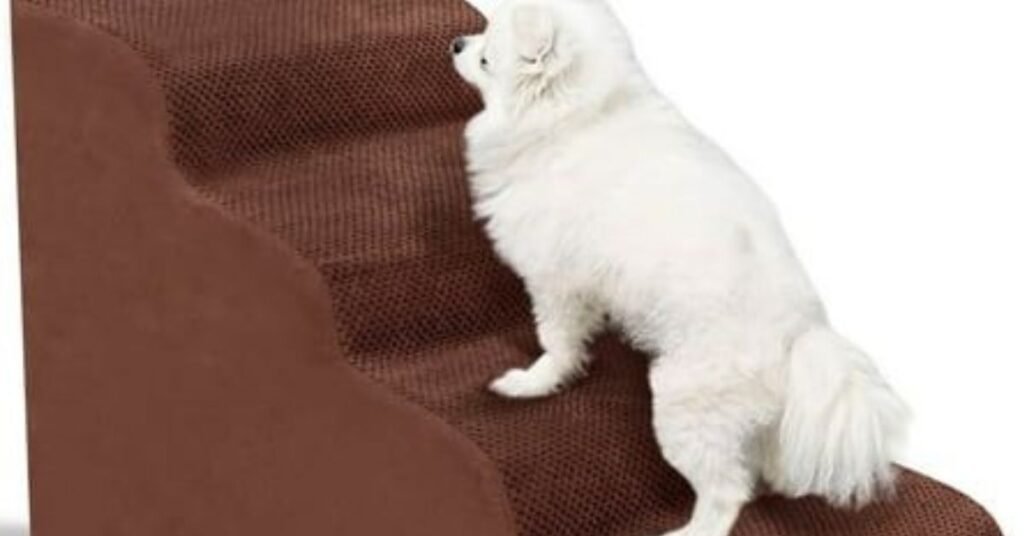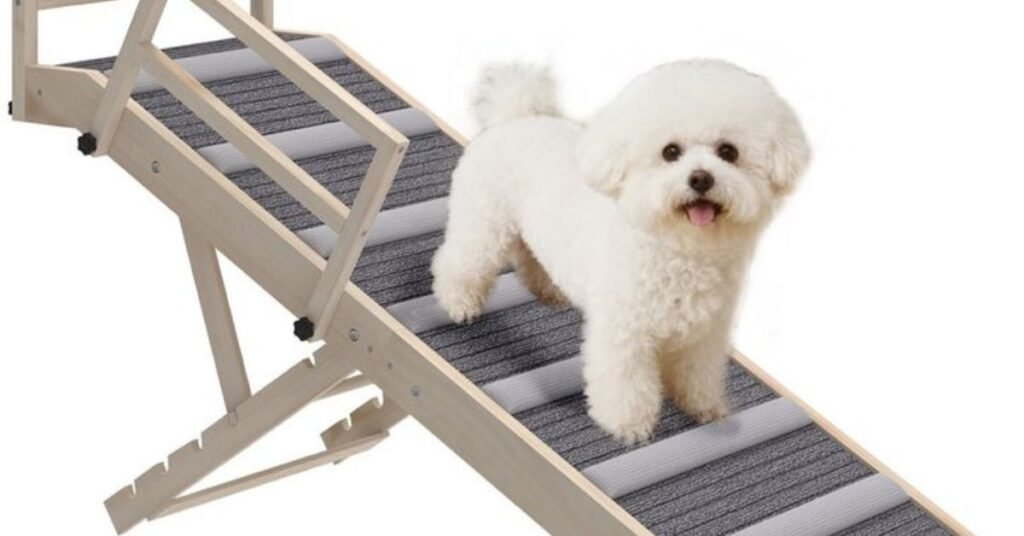
Pet stairs for large dogs have become an essential accessory for households with big breeds. Whether your dog struggles with joint pain, has mobility issues, or needs help climbing onto high furniture, pet stairs provide a safe and supportive way for them to reach elevated spaces. Large dogs often experience hip, knee, and back discomfort as they age, making jumping a risky activity.
In this blog, we’ll explore why pet stairs are important, how they help large dogs stay comfortable, what features to look for, and how to choose the perfect set of stairs for your home. If you want to protect your dog’s health and improve their daily comfort, this guide will help you make the right choice.
Why Large Dogs Need Pet Stairs
1. Prevents Joint and Hip Stress
Big dogs put more weight on their joints. Repeated jumping up or down can cause long-term damage, especially in breeds prone to hip dysplasia.
2. Ideal for Senior Dogs
Older dogs struggle with mobility. Pet stairs allow them to climb onto beds, sofas, and cars without pain.
3. Helps Dogs with Injuries
If your dog recently had surgery or suffers from arthritis, stairs help them move safely without extra strain.
4. Supports Everyday Comfort
Instead of struggling or waiting for help, stairs give large dogs independence and ease during daily activities.
Benefits of Using Pet Stairs
- Reduces the risk of injuries
- Helps elderly or heavy dogs move comfortably
- Provides confidence to anxious or timid dogs
- Prevents muscle strain after long walks
- Offers safe access to beds, couches, and vehicles
- Encourages healthy movement
Features to Look For in Pet Stairs for Large Dogs
1. Strong, Stable Construction
Large dogs require sturdy stairs made from durable materials like wood, high-density foam, or reinforced plastic.
2. Wide, Non-Slip Steps
The steps should be wide enough for big paws and have anti-slip material to prevent accidents.
3. High Weight Capacity
Choose stairs that support at least 100–150 lbs depending on your dog’s size.
4. Comfortable Step Height
Low, gradual steps are easier for dogs with joint issues.
5. Detachable or Washable Cover
Keeps the stairs clean, hygienic, and fresh.
6. Lightweight but Stable
You should be able to move the stairs easily without compromising stability.
Types of Pet Stairs for Large Dogs
1. Foam Pet Stairs
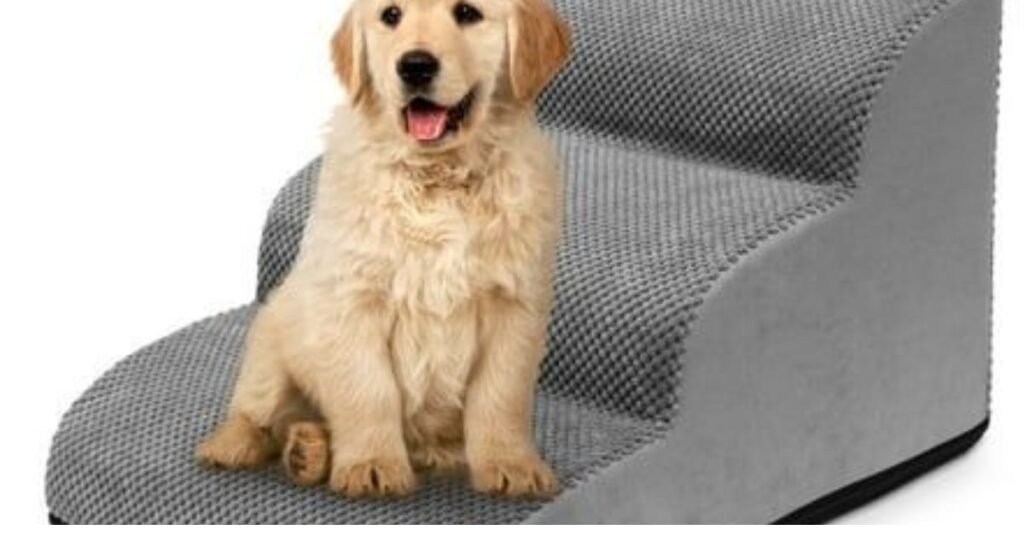
Soft, lightweight, and easy on joints—great for indoor use.
2. Wooden Pet Stairs
Very strong and long-lasting; ideal for heavy dogs.
3. Plastic Pet Stairs
Affordable and easy to clean, but make sure they have grip pads.
4. Convertible Stairs (Stairs + Ramp)
Two-in-one designs that turn into a ramp when needed
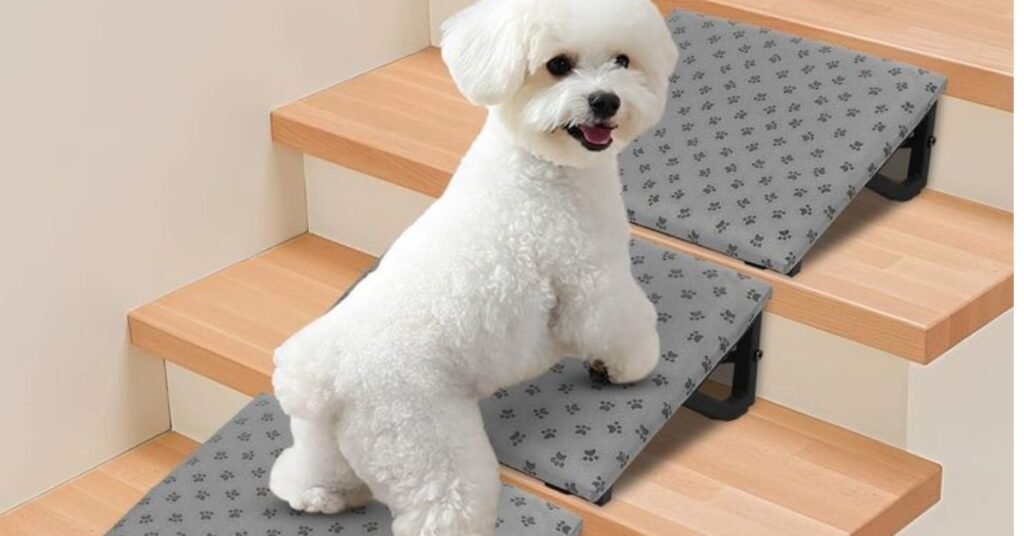
Place the stairs in a familiar area so your dog doesn’t feel intimidated.
2. Use Treats for Motivation
Put treats on each step to encourage gradual climbing.
3. Show Your Dog the Movement
Guide them gently with your hand or lead them with a toy.
4. Practice Daily
Short practice sessions help build confidence.
5. Praise Every Step
Reward even small attempts—positive reinforcement works best.
6. Ensure the Stairs Are Secure
Wobbly stairs can scare your dog. Make sure they don’t move or slide.
Safety Tips for Using Pet Stairs
- Always place stairs on a flat, stable surface
- Keep the steps clean and dry
- Check screws, joints, or foam firmness regularly
- Choose stairs with non-slip grips at the bottom
- Replace worn-out steps to avoid accidents
Ensure the Stair Height Matches the Furniture
Pet stairs should align properly with the height of your bed, sofa, or car seat. If the stairs are too short or too steep, your dog may jump instead of using them, increasing the risk of injury. Proper alignment encourages safe and confident use.
Avoid Placing Stairs Near Edges or Corners
Keep the stairs away from sharp edges, walls, or corners where your dog could slip or bump into something. A clear, open area helps your dog focus on climbing safely.
Supervise During the Initial Use
When introducing pet stairs for the first time, stay nearby. This allows you to guide your dog and ensure they are stepping correctly. Early supervision helps prevent fear and accidents.
Use Non-Slip Mats Under the Stairs
For extra stability, place a rubber mat or anti-slip pad underneath the stairs. This is especially helpful on tiled or wooden floors where stairs may slide.
Check Weight Limits Regularly
Always confirm that the stairs can safely support your dog’s weight. Overloading stairs beyond their capacity can cause collapse or sudden movement.
Keep Stairs in a Well-Lit Area
Good lighting helps your dog clearly see each step. Poor lighting can cause missteps, especially for senior dogs or dogs with vision problems.
Discourage Jumping On or Off the Stairs
Train your dog to walk calmly up and down the stairs rather than jumping. Jumping defeats the purpose of pet stairs and can strain joints.
Inspect Stairs After Moving Them
If you move the stairs to a different location, check stability again before allowing your dog to use them. A change in surface can affect grip and balance.
Replace Stairs That Show Wear and Tear
Cracks, loose parts, or compressed foam reduce safety. If repairs are not possible, replacing the stairs is the safest option.
Clean Regularly to Prevent Slipping
Dust, pet hair, or moisture can make steps slippery. Regular cleaning ensures better traction and hygiene
Use Pet-Safe Cleaning Products
Always choose cleaning sprays or detergents that are safe for pets. Harsh chemicals can leave slippery residue or cause skin irritation on your dog’s paws. Mild, pet-friendly cleaners keep the stairs hygienic without compromising safety.
Dry the Steps Completely After Cleaning
Moisture left on the steps can increase the risk of slipping. After wiping or washing the stairs, allow them to air dry fully or use a clean towel to dry each step before your dog uses them again.
Vacuum Fabric or Foam Stairs Frequently
For stairs with fabric or foam covers, vacuuming helps remove embedded hair, dust, and dirt. This not only improves grip but also keeps the stairs fresh and odor-free.
Wash Removable Covers on Schedule
If the stairs have removable covers, wash them regularly according to the manufacturer’s instructions. Clean covers improve traction and prevent bacteria buildup.
Inspect While Cleaning
Use cleaning time as an opportunity to check for loose stitching, worn fabric, or flattened foam. Early detection of damage allows you to fix or replace parts before accidents happen.
Avoid Wax or Polish Near the Stairs
Do not use floor polish or wax around the stair area, as it can make both the floor and stair base slippery. A matte, non-slip surface is always safer for large dogs.
Maintain Clean Paws as Well
Keeping your dog’s paws clean and dry also reduces slipping. Wipe their paws after outdoor walks to prevent dirt or moisture from transferring onto the steps.
Trim Paw Hair Regularly
Long hair between your dog’s paw pads can trap dirt, moisture, and small debris. Regular trimming helps improve grip on the pet stairs and reduces the chances of slipping, especially for large dogs with thick fur.
Check for Cracks or Injuries
Dry or cracked paw pads can make walking uncomfortable and cause your dog to step unevenly. Inspect paws regularly and use pet-safe balms to keep pads healthy and smooth, ensuring better traction on the stairs.
Use Anti-Slip Paw Balms or Sprays
Some pet-safe balms and sprays are designed to improve paw grip on smooth surfaces. These products can be especially helpful for senior or heavy dogs using stairs daily.
Dry Paws Thoroughly in Wet Weather
After rain or bathing, always dry your dog’s paws completely before letting them use the stairs. Wet paws significantly increase the risk of slipping, even on non-slip steps.
Remove Small Objects Stuck in Paws
Pebbles, mud, or grass stuck between paw pads can cause discomfort or sudden slipping. Cleaning paws thoroughly keeps your dog comfortable and confident while climbing.