
Introduction
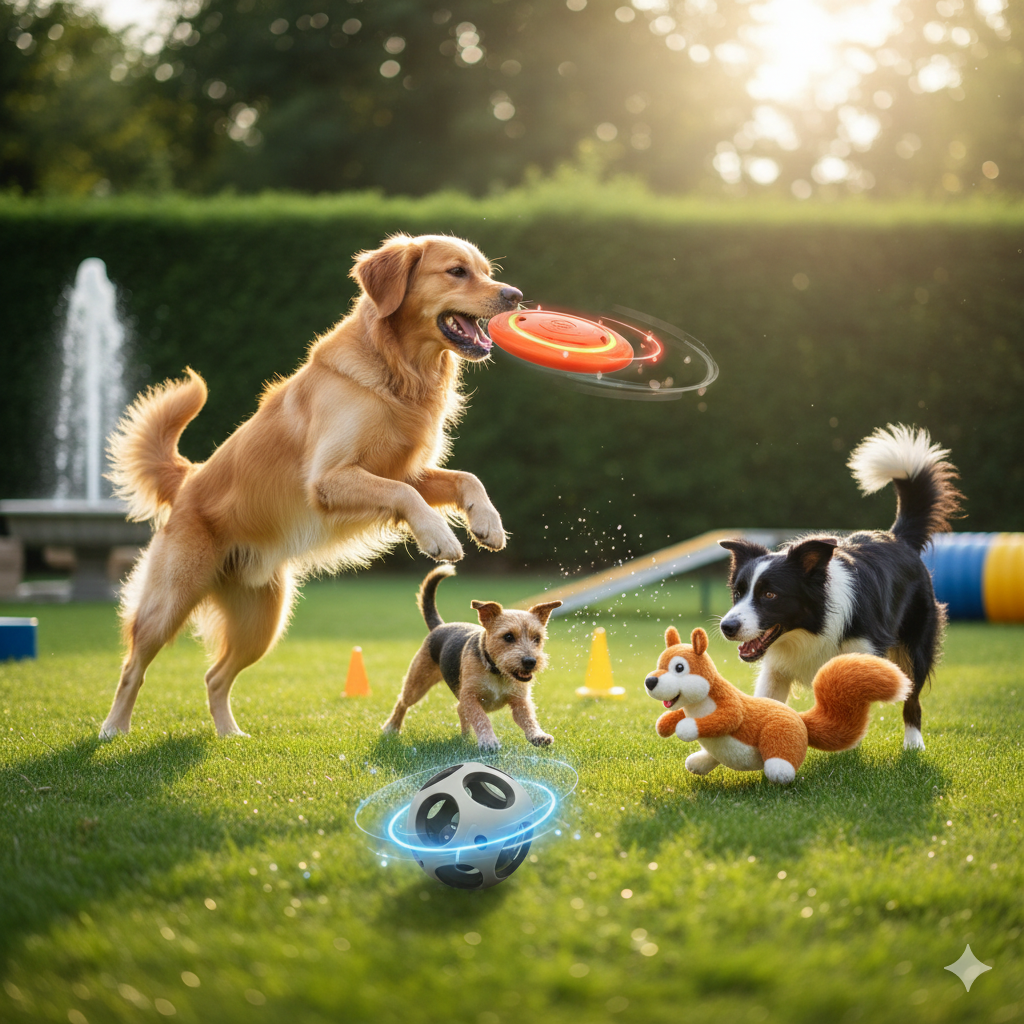
Dogs are energetic, curious, and intelligent animals that thrive on both physical activity and mental challenges. Keeping them engaged throughout the day is essential for their overall health and happiness. Moving pet toys for dogs are designed to do exactly that—capture attention, encourage movement, and stimulate a dog’s natural instincts.
Unlike traditional static toys, moving pet toys react, roll, bounce, or change direction, making playtime more exciting and interactive. These toys are especially helpful for busy pet owners who want to keep their dogs entertained, active, and mentally sharp even when they are home alone.
What Are Moving Pet Toys for Dogs?
Moving pet toys for dogs are interactive toys that move automatically or respond to a dog’s touch. They may roll, spin, vibrate, or change direction to simulate prey-like movement. This motion keeps dogs curious and encourages chasing, pouncing, and problem-solving behaviors.
These toys are suitable for dogs of all sizes and breeds and can be used indoors or outdoors depending on the design.
Benefits of Moving Pet Toys for Dogs
1. Encourages Physical Exercise
Moving toys motivate dogs to run, jump, and stay active. Regular physical activity helps:
- Maintain a healthy weight
- Improve muscle strength
- Support joint health
- Reduce excess energy
This is especially beneficial for dogs that spend long hours indoors.
2. Provides Mental Stimulation
Dogs need mental challenges just as much as physical exercise. Moving pet toys for dogs engage their minds by:
- Encouraging problem-solving
- Improving focus and attention
- Preventing boredom
Mental stimulation helps reduce destructive behaviors like chewing furniture or excessive barking.
3. Reduces Anxiety and Stress
Interactive moving toys help keep dogs occupied and relaxed. They are particularly useful for dogs that experience separation anxiety or boredom when left alone. Engaging play can lower stress levels and promote calm behavior.
4. Supports Natural Instincts
Dogs have natural hunting and chasing instincts. Moving toys mimic unpredictable movements, allowing dogs to express these instincts in a safe and controlled way.
Types of Moving Pet Toys for Dogs
Automatic Rolling Toys
These toys move on their own and change direction when they hit obstacles. They are excellent for encouraging chasing and independent play.
Motion-Activated Toys
Motion-activated toys respond when your dog touches or nudges them, making play more interactive and rewarding.
Treat-Dispensing Moving Toys
These toys combine movement with food rewards. As the toy moves, it releases treats, motivating dogs to stay engaged longer while also supporting positive reinforcement training.
How to Choose the Right Moving Pet Toy
When selecting moving pet toys for dogs, consider the following factors:
Indoor vs Outdoor Use: Select based on where your dog usually plays
Dog Size: Choose toys appropriate for your dog’s size and strength
Durability: Look for strong, chew-resistant materials
Noise Level: Some toys make sounds—ensure it won’t scare your dog
Safety: Avoid small parts that could be swallowed
Safety Tips for Using Moving Pet Toys
- Supervise your dog during the first few play sessions
- Remove the toy if it shows signs of damage
- Choose toys made from non-toxic materials
- Ensure batteries (if any) are securely enclosed
Proper supervision ensures playtime remains safe and enjoyable.
Tips to Maximize Playtime Benefits
- Rotate toys regularly to keep your dog interested
- Use moving toys during high-energy times of the day
- Combine playtime with basic training commands
- Clean toys frequently to maintain hygiene
These practices help maintain excitement and long-term engagement.
Are Moving Pet Toys Suitable for All Dogs?
Most dogs enjoy moving toys, but some may need time to adjust. Puppies and senior dogs may prefer slower-moving toys, while high-energy breeds often enjoy faster, more unpredictable movement. Observing your dog’s reaction helps you choose the best option.

Tips for Introducing Moving Pet Toys to Your Dog
When introducing moving pet toys for dogs, it’s important to take a gradual and thoughtful approach. Start by allowing your dog to observe the toy while it’s turned off. Let them sniff and explore it so they become familiar with its shape and smell. Once your dog seems comfortable, activate the toy at a slower setting if possible.
Adjusting Play for Different Temperaments
Not all dogs react the same way to movement. Shy or anxious dogs may feel unsure at first, while confident dogs may jump right into play. Adjust playtime based on your dog’s comfort level, and never force interaction. Positive reinforcement, such as praise or treats, can help build confidence.
Supervision Is Key
Always supervise your dog during the initial play sessions. This ensures safety and helps you understand how your dog interacts with the toy. Supervision also allows you to step in if the toy becomes too stimulating or if your dog shows signs of stress.
Matching Toys to Energy Levels
Choosing the right toy depends on your dog’s age, size, and energy level. Puppies and seniors benefit from gentle, slow-moving toys, while active breeds may enjoy faster, unpredictable motion. Matching the toy to your dog’s needs ensures a positive and enjoyable experience.
Signs You’ve Chosen the Right Moving Toy
When a moving pet toy matches your dog’s energy level, you’ll notice positive behaviors during playtime. Your dog will stay engaged without becoming overstimulated or fearful. Healthy signs include relaxed body language, playful curiosity, and sustained interest without frustration or aggression.
Avoiding Overstimulation
While energetic dogs enjoy fast-moving toys, too much stimulation can lead to stress or hyperactivity. It’s important to limit playtime sessions and give your dog breaks. For calmer dogs, slow and predictable movement helps build confidence and prevents anxiety.
Rotating Toys for Balanced Play
To maintain long-term interest, rotate moving pet toys with traditional toys like chew toys or puzzle feeders. This balance prevents boredom and provides both mental and physical enrichment without overwhelming your dog.
Adjusting as Your Dog Ages
A dog’s energy level changes over time. A toy that excites a young adult dog may not be suitable later in life. Reassess toy choices as your dog grows, ensuring play remains safe, enjoyable, and appropriate for their current needs.
Choosing Age-Appropriate Toys for Long-Term Play
As dogs move from puppyhood to adulthood and into their senior years, their physical abilities and play preferences naturally change. Younger dogs often enjoy fast, interactive toys that challenge their agility and stamina, while older dogs benefit from toys that are easier to engage with and gentler on joints and teeth. Selecting age-appropriate toys helps maintain enjoyment without causing strain or discomfort.
Supporting Health and Mobility
For senior dogs, slower-moving or soft interactive toys can encourage light movement without overexertion. These toys help keep muscles active, support joint flexibility, and provide mental stimulation, all of which contribute to better mobility and comfort as dogs age.
Maintaining Mental Engagement
Even as physical energy decreases, mental stimulation remains important. Puzzle-style or gentle moving toys keep older dogs mentally alert and prevent boredom. For adult dogs, a mix of movement-based and problem-solving toys creates balanced playtime that supports overall wellness.
Monitoring Changes in Behavior
Pay attention to how your dog interacts with toys over time. Reduced interest, fatigue, or hesitation may signal that a toy is no longer suitable. Making timely adjustments ensures play remains positive and stress-free.
Understanding Your Dog’s Play Signals
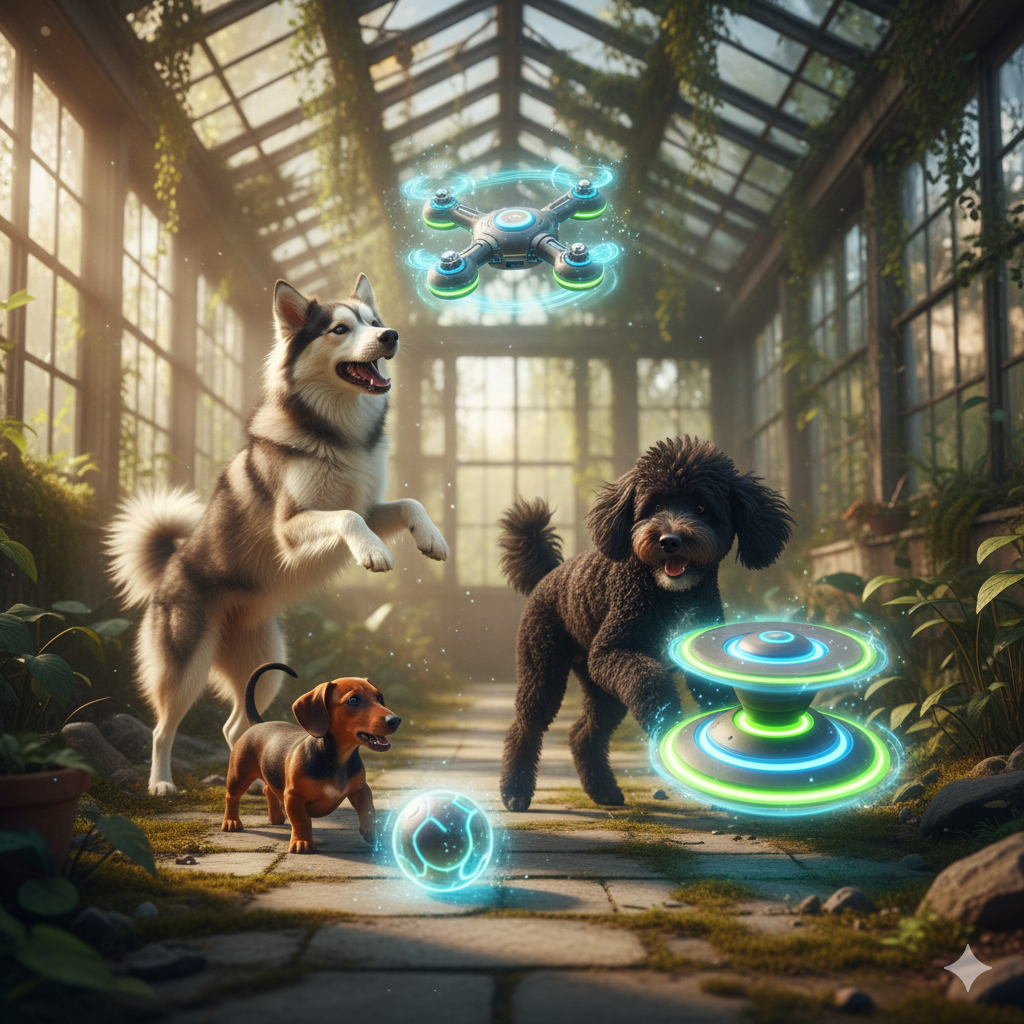
Monitoring your dog’s behavior during playtime is an important part of responsible pet care. Dogs communicate their comfort and interest through body language and energy levels. Signs such as wagging tails, relaxed posture, and active engagement indicate enjoyment, while hesitation, avoidance, or stopping play may suggest discomfort or boredom.
Recognizing When a Toy Is No Longer Suitable
Over time, your dog’s needs and preferences can change. Reduced interest in a toy, quick fatigue, or cautious behavior may mean the toy is too challenging, too stimulating, or no longer matches your dog’s energy level. Worn-out or damaged toys can also affect your dog’s willingness to play and may pose safety risks.
Making Timely Adjustments
Replacing or rotating toys helps keep playtime fresh and engaging. Introducing toys with different movement speeds or interaction styles can re-ignite interest while ensuring safety and comfort. Timely adjustments prevent frustration and help maintain a positive play experience.
Supporting Emotional and Physical Well-Being
When toys are well-matched to your dog’s current needs, playtime becomes a source of enjoyment rather than stress. Appropriate toys support healthy activity, mental stimulation, and emotional balance, contributing to your dog’s overall well-being.
Encouraging Healthy Physical Activity
The right toys motivate dogs to stay active without overexertion. Movement-based toys help improve muscle strength, coordination, and flexibility while supporting a healthy weight. When physical activity is balanced and enjoyable, dogs are less likely to experience joint strain or fatigue, especially as they age.
Boosting Mental Stimulation
Mentally engaging toys challenge a dog’s problem-solving skills and curiosity. Toys that move unpredictably or require interaction keep the mind sharp and prevent boredom. This mental exercise is especially important for dogs that spend long hours indoors, as it helps reduce destructive behaviors caused by frustration or excess energy.
Reducing Stress and Anxiety
Well-chosen toys can have a calming effect on dogs. Engaging play releases pent-up energy and promotes relaxation, helping to reduce anxiety, restlessness, and stress-related behaviors. For nervous or shy dogs, familiar and appropriate toys provide comfort and a sense of security.
Strengthening the Human–Dog Bond
Interactive play strengthens the emotional connection between dogs and their owners. When owners participate in playtime or choose toys that suit their dog’s personality, dogs feel understood and supported. This trust enhances communication and deepens the bond, making playtime a shared and rewarding experience.
Promoting Long-Term Wellness
By regularly evaluating and adjusting toy choices, owners can ensure their dogs continue to benefit physically and emotionally. Toys that evolve with a dog’s changing needs contribute to long-term happiness, confidence, and overall health, supporting a balanced and fulfilling life.
Encouraging a Lifetime of Healthy Play
Long-term wellness is closely connected to consistent, age-appropriate play. As dogs grow and their needs change, introducing suitable toys helps maintain mobility, curiosity, and joy. Regular play supports cardiovascular health, keeps muscles active, and encourages natural behaviors that contribute to overall vitality.
Adapting to Changing Physical Needs
Puppies, adult dogs, and seniors all require different levels of activity. Adjusting toy types and movement speeds ensures play remains safe and beneficial at every stage of life. Softer, slower toys may suit older dogs, while younger dogs benefit from more engaging and energetic options that channel their enthusiasm productively.
Supporting Emotional Balance Over Time
Familiar and well-chosen toys provide comfort and emotional stability. Dogs often form attachments to toys that make them feel secure and entertained. This emotional connection reduces stress, supports confidence, and helps dogs cope better with changes in routine or environment.
Creating Sustainable Play Routines
Establishing regular playtime using appropriate toys creates healthy daily habits. Consistent routines give dogs structure, prevent boredom, and reinforce positive behavior. Over time, these habits contribute to a calm, content, and well-adjusted companion.
Building a Healthier Future
When play is thoughtfully managed, it becomes a powerful tool for lifelong wellness. By choosing toys that match a dog’s evolving needs, owners actively support long-term physical health, emotional well-being, and overall happiness, ensuring their dogs enjoy a fulfilling and balanced life for years to come.

inal Thought
Moving pet toys for dogs are more than just entertainment — they play an important role in physical fitness, mental stimulation, and emotional well-being. By choosing toys that match your dog’s age, energy level, and changing needs, you can ensure playtime remains safe, enjoyable, and beneficial throughout every stage of life
Pingback: Pet harness small Dog– Safe, Comfortable Daily Walks