
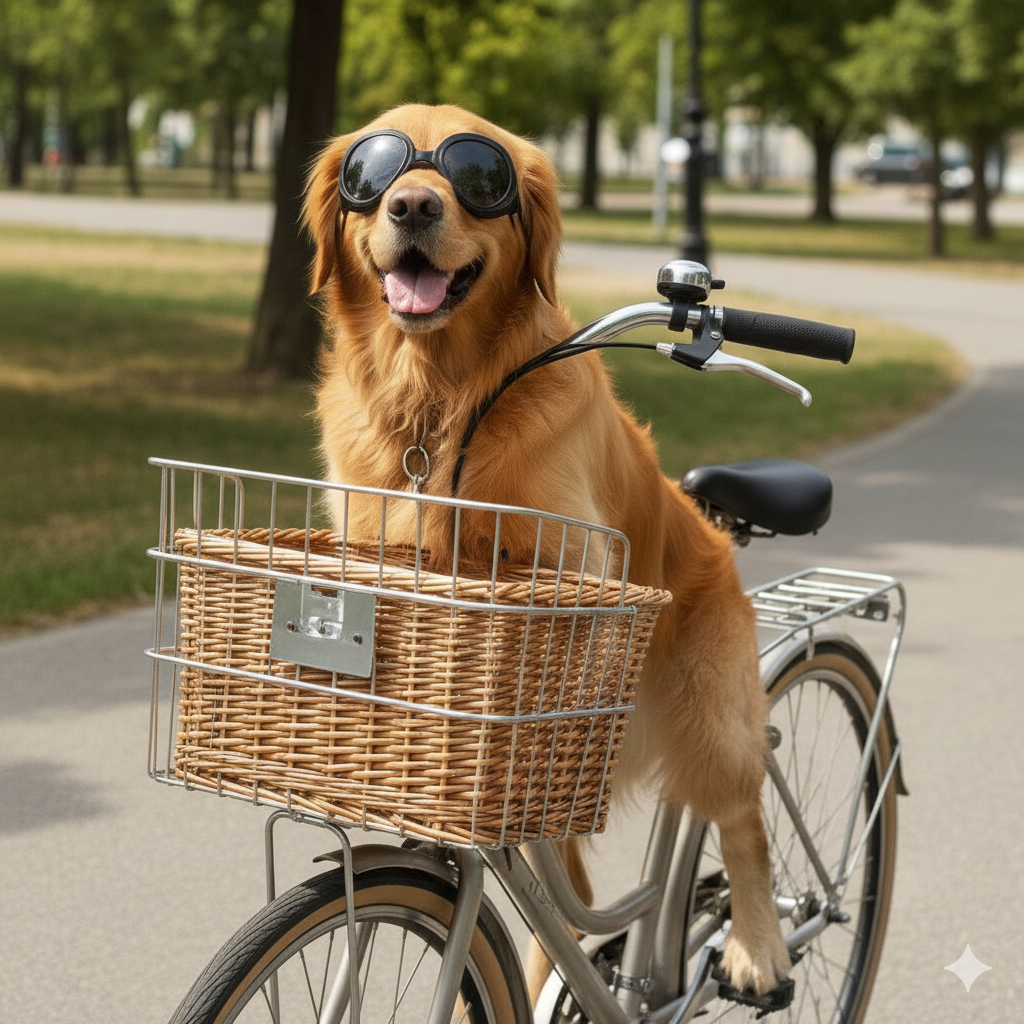
Bike pet carriers for dogs are becoming increasingly popular among pet owners who love outdoor adventures. If you enjoy cycling and don’t want to leave your furry friend behind, a bike pet carrier is a practical and safe solution. These carriers allow dogs to travel comfortably while staying secure, making bike rides more enjoyable for both pets and owners.
What Are Bike Pet Carriers for Dogs?
Bike pet carriers are specially designed containers or baskets that attach to a bicycle. They are made to safely carry small to medium-sized dogs during bike rides. Most carriers include safety straps, padded interiors, and breathable materials to ensure your dog’s comfort and protection.
Benefits of Using Bike Pet Carriers
Using a bike pet carrier offers several advantages:
- Allows dogs to join outdoor activities
- Reduces stress for dogs that can’t run long distances
- Keeps pets safe and controlled during rides
- Strengthens the bond between pet and owner
Bike pet carriers for dogs are ideal for short trips, park rides, and casual cycling.
Types of Bike Pet Carriers
There are different types of bike pet carriers available, including:
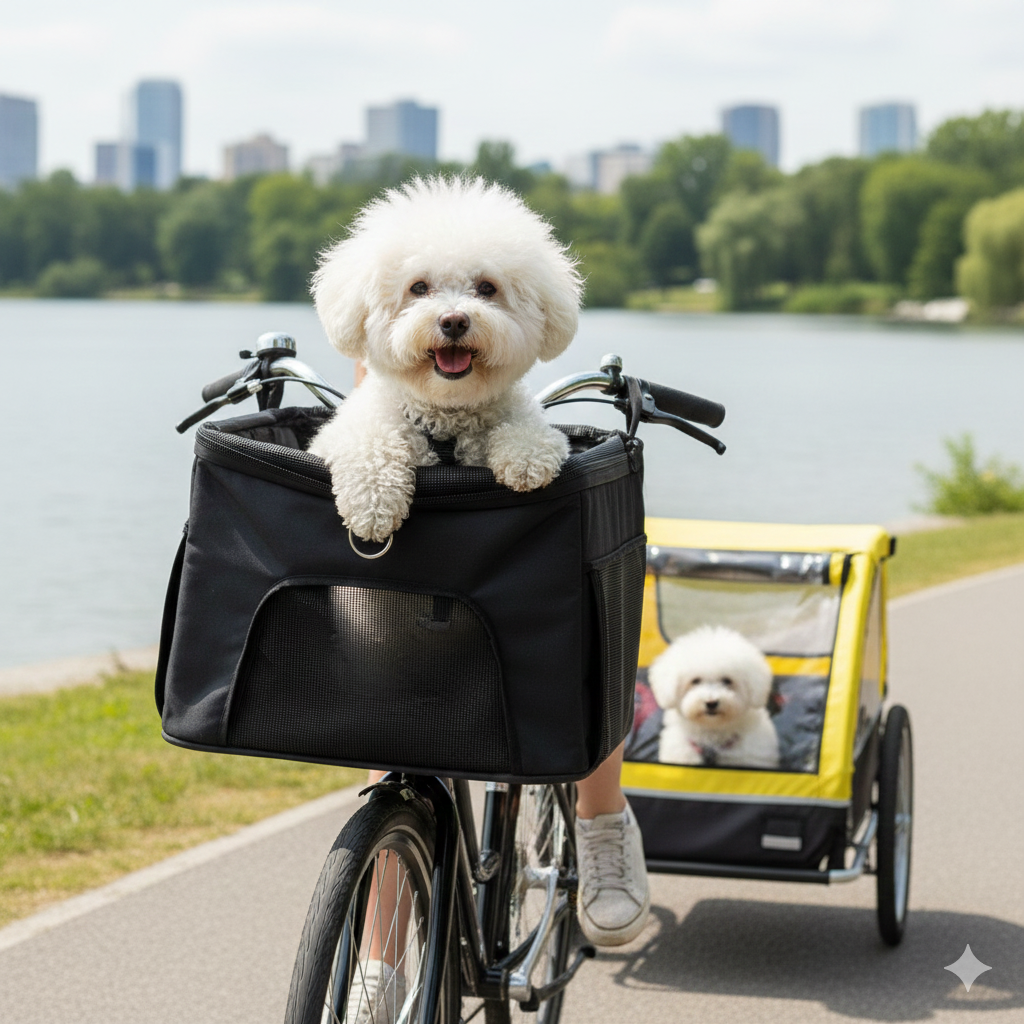
- Front-mounted carriers for better visibility and interaction
- Rear-mounted carriers for improved balance on longer rides
- Backpack-style carriers that convert from bike to shoulder use
Choosing the right type depends on your dog’s size, weight, and comfort level.
How to Choose the Right Bike Pet Carrier
When selecting a bike pet carrier for dogs, consider:
- Your dog’s weight and size limit
- Sturdy and durable materials
- Proper ventilation and padding
- Secure attachment system
- Safety leash or harness clips
A well-chosen carrier ensures a smooth and worry-free ride.
Safety Tips for Riding with Your Dog
To keep your dog safe while cycling:
- Start with short rides to help your dog adjust
- Always secure your dog with the safety strap
- Avoid busy roads and rough terrains
- Check the carrier’s balance before riding
Safety should always be the top priority.
Start with Short Rides to Build Confidence
Before planning long cycling trips, begin with short and slow rides. This helps your dog become familiar with the movement, sounds, and feeling of the bike. Gradual exposure reduces anxiety and allows your dog to gain confidence while riding in the carrier.
Always Secure Your Dog with a Safety Strap
Most bike pet carriers for dogs come with built-in safety straps or leash clips. Always attach your dog’s harness to the strap to prevent sudden jumps or movements. This small step can significantly reduce the risk of accidents during the ride.
Avoid Busy Roads and Rough Terrains
Choose quiet streets, bike lanes, or park trails whenever possible. Busy roads increase the chances of sudden stops, noise, and distractions. Smooth and even terrain ensures better stability and comfort for your dog inside the carrier.
Check the Carrier’s Balance Before Riding
A properly balanced carrier is essential for safe cycling. Make sure the carrier is securely attached and evenly positioned on your bike. An unbalanced carrier can affect steering and make riding unsafe.
Ensure Proper Ventilation and Comfort
Good airflow is crucial, especially during warm weather. Select a carrier with breathable mesh panels that allow fresh air to circulate. A comfortable, padded interior also helps keep your dog relaxed during the ride.
Respect the Carrier’s Weight Limit
Every bike pet carrier for dogs has a maximum weight capacity. Exceeding this limit can damage the carrier and put your dog at risk. Always check the manufacturer’s guidelines before placing your dog inside.
Monitor Your Dog Throughout the Ride
Keep an eye on your dog while cycling. Stop periodically to check their comfort level, hydration, and overall behavior. Signs such as heavy panting, whining, or restlessness may indicate stress or discomfort.
Avoid Extreme Weather Conditions
Do not ride in very hot, cold, or rainy weather. Extreme temperatures can cause health problems for your dog, including dehydration or heat stress. Choose mild weather conditions for safer and more enjoyable rides.
Use Protective Gear for Yourself
Wearing a helmet and visible clothing enhances your own safety, which directly protects your dog as well. A safe rider ensures a safer journey for their pet.
Train Your Dog to Stay Calm
Training plays an important role in bike safety. Teach your dog to remain calm and seated in the carrier. Reward good behavior with treats and praise to reinforce positive habits.
Start Training at Home
Begin training your dog at home in a familiar and quiet environment. Place the bike pet carrier on the ground and allow your dog to explore it freely. Let your dog sit inside the carrier without movement so they can feel comfortable and secure.
Introduce the Carrier Gradually
Do not rush the process. Allow your dog to spend short periods inside the carrier each day. Gradual exposure helps reduce fear and builds trust. Keep the sessions positive and relaxed.
Practice Staying Seated and Calm
Once your dog is comfortable inside the carrier, teach them to stay seated. Use simple commands such as “sit” or “stay.” Encourage calm behavior and discourage jumping or excessive movement.
Use Positive Reinforcement
Reward your dog with treats, praise, or gentle affection whenever they remain calm. Positive reinforcement helps your dog associate the carrier and bike rides with pleasant experiences.
Simulate Bike Movement
Before riding outdoors, gently move the bike while your dog is inside the carrier. This helps them adjust to the motion and sound of the bike. Start slowly and increase movement gradually.
Keep Training Sessions Short
Short and frequent training sessions are more effective than long ones. Dogs learn better when training is fun and not overwhelming. End each session on a positive note.
Stay Calm and Patient
Dogs can sense their owner’s emotions. Stay calm and patient during training. Avoid scolding or forcing your dog, as this may create fear or resistance.
Gradually Increase Ride Duration
Once your dog remains calm during short rides, slowly increase the distance and duration. This step-by-step approach builds confidence and comfort over time.
Start with Short and Familiar Routes
Begin by riding on familiar paths close to home. Short routes allow your dog to feel secure while adjusting to longer ride times. Familiar surroundings reduce stress and create a sense of safety.
Increase Time Before Distance
Instead of immediately covering long distances, focus on increasing ride time slowly. Add just a few extra minutes to each ride. This helps your dog build tolerance without feeling overwhelmed.
Observe Your Dog’s Behavior Closely
Pay close attention to your dog’s body language during and after rides. Calm behavior, relaxed posture, and steady breathing are signs that your dog is adjusting well. If you notice restlessness or anxiety, reduce ride duration.
Take Regular Breaks
Stopping for short breaks during longer rides allows your dog to relax and stay hydrated. Breaks also prevent fatigue and make the experience more comfortable.
Maintain a Consistent Routine
Consistency helps dogs feel secure. Try to ride at similar times and follow the same routine. Predictable schedules help your dog understand what to expect, reducing nervousness.
Adjust to Your Dog’s Age and Health
Puppies, senior dogs, or dogs with health concerns may need extra time to adjust. Always consider your dog’s physical condition when increasing ride duration.
Reward Progress and Positive Behavior
Praise and reward your dog after each successful ride. Positive reinforcement encourages confidence and helps your dog associate longer rides with enjoyable experiences.
Avoid Overtraining
Do not rush progress. Increasing ride duration too quickly can cause stress or discomfort. Slow and steady progress ensures long-term success and safety.
Understand Your Dog’s Limits
Every dog has different physical abilities and comfort levels. Age, breed, size, and health all affect how much activity your dog can handle. Pay attention to your dog’s energy levels and never force them to continue if they appear tired or uncomfortable.
Recognize Signs of Overtraining
It is important to identify early signs of overtraining. Excessive panting, restlessness, whining, or refusal to sit calmly in the carrier may indicate stress. If you notice these signs, reduce ride duration and allow your dog to rest.
Allow Proper Rest and Recovery
Just like humans, dogs need time to recover. Give your dog rest days between longer rides. Proper recovery helps prevent fatigue and keeps your dog excited about future bike trips.
Keep Rides Enjoyable and Positive
Bike rides should always be a positive experience. If your dog feels pressured or stressed, it can create negative associations with the carrier or bike. Maintain a relaxed pace and focus on comfort rather than distance.
Adjust Training Based on Weather and Conditions
Hot, cold, or humid weather can increase physical strain. On such days, shorten rides or avoid cycling altogether. Environmental conditions play a major role in preventing overtraining.
Combine Training with Mental Stimulation
Mental engagement is just as important as physical comfort. Talk to your dog during breaks, offer treats, and allow them to observe surroundings. This keeps your dog relaxed and mentally satisfied.
Stay Consistent but Flexible
Consistency builds routine, but flexibility prevents stress. Adjust ride frequency and duration according to your dog’s behavior and comfort level.
Build a Predictable Riding Routine
Dogs thrive on routine. Riding at similar times and following familiar routes helps your dog understand what to expect. A predictable routine reduces anxiety and makes bike rides feel safe and enjoyable.
Adjust Ride Frequency Based on Energy Levels
Some days your dog may feel energetic, while on other days they may need extra rest. Pay attention to your dog’s mood and energy. Reducing or skipping a ride when your dog seems tired helps prevent stress and overtraining.
Be Flexible with Ride Duration
While consistency is important, forcing long rides every time can be harmful. Shorten rides when needed and gradually increase duration only when your dog shows comfort and confidence.
Respond to Behavioral Signals
Your dog’s behavior is the best indicator of comfort. Signs like calm posture, relaxed breathing, and quiet behavior show readiness. If your dog appears restless or anxious, adjust the routine immediately.
Adapt to Environmental Changes
Weather, noise, and traffic conditions can affect your dog’s comfort. Be flexible in choosing routes or ride times. Quiet and mild conditions make rides safer and more pleasant.
Balance Training with Rest
Consistency does not mean daily riding without breaks. Allow rest days to help your dog recover physically and mentally. Balanced schedules keep your dog healthy and enthusiastic.
Maintain a Positive Attitude
Your dog can sense your emotions. Staying calm, patient, and positive encourages your dog to feel relaxed and confident during rides.
Use Simple Commands and Consistent Signals
Teach basic commands such as “sit,” “stay,” and “calm.” Use the same words and tone each time. Consistent communication helps your dog understand what behavior is expected during bike rides.
Introduce Motion Slowly
Once your dog is comfortable sitting in the carrier, gently move the bike while staying in one place. Gradual movement helps your dog adapt to the sensation without fear.
Reward Calm Behavior Immediately
Positive reinforcement is key. Reward your dog the moment they remain calm or follow commands. This reinforces good habits and builds confidence.
Practice Regularly but Briefly
Short and frequent practice sessions are more effective than long ones. Regular training helps reinforce calm behavior without overwhelming your dog.
Stay Calm as an Owner
Dogs sense their owner’s emotions. Staying calm, relaxed, and confident reassures your dog and encourages them to remain peaceful during the ride.
Final Thoughts
Training your dog to stay calm is essential for safe and enjoyable bike rides. Through positive reinforcement, patience, and consistency, your dog will learn to feel secure and relaxed in the bike carrier. A calm dog ensures a safe journey and a stronger bond between you and your pet.