
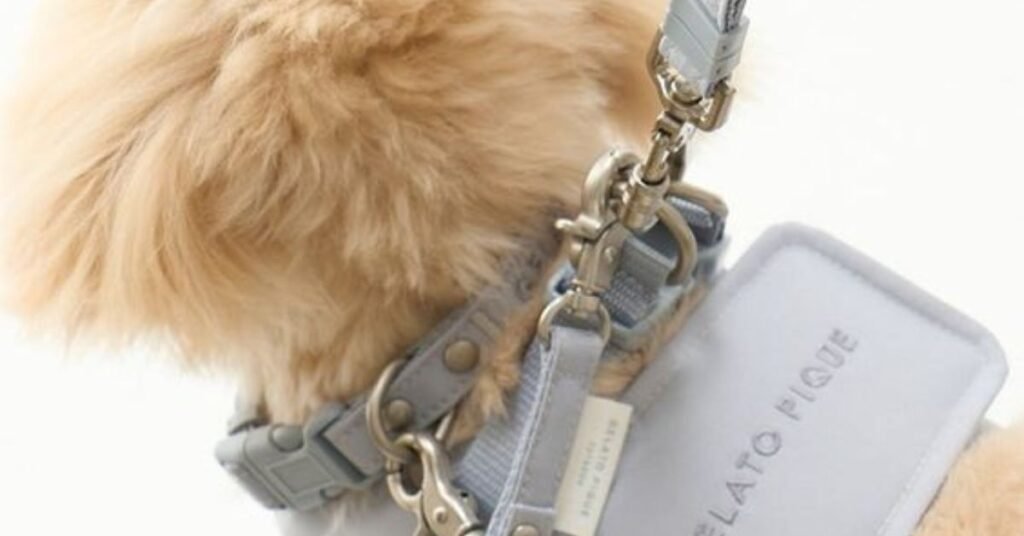
What Is a Dog Pet Collar?
A dog pet collar is a band worn around a dog’s neck. It is commonly used to hold ID tags, attach leashes, and sometimes assist in training. Modern dog collars are available in many styles, materials, and designs to suit different needs and dog personalities.
Why a Dog Pet Collar Is Important
1. Identification and Safety
A collar with an ID tag helps others identify your dog if they get lost.
2. Better Control During Walks
Collars allow you to attach a leash for safe and controlled walks.
3. Training Support
Certain collars are designed to assist with basic training and behavior control.
4. Everyday Comfort
A properly fitted collar keeps your dog comfortable without causing irritation.
Types of Dog Pet Collars
1. Flat Dog Collars
The most common type, ideal for everyday use.
2. Adjustable Dog Collars
Perfect for growing puppies or dogs that gain or lose weight.
3. Leather Dog Collars
Durable, stylish, and comfortable for long-term wear.
4. Nylon Dog Collars
Lightweight, affordable, and available in many colors.
5. Reflective Dog Collars
Improve visibility and safety during night walks.
6. Martingale Collars
Designed to prevent dogs from slipping out of their collars.
How to Choose the Right Dog Pet Collar
1. Correct Size
You should be able to fit two fingers between the collar and your dog’s neck.
2. Comfortable Material
Choose soft, breathable materials to avoid skin irritation.
3. Strong Buckle or Clasp
Ensure the collar has a secure closure for safety.
4. Match Your Dog’s Lifestyle
Active dogs may need durable collars, while indoor dogs may prefer lightweight options.
Benefits of Using a Dog Pet Collar
- Keeps your dog identifiable
- Improves safety during outdoor activities
- Makes leash training easier
- Enhances control without discomfort
- Allows attachment of tags and accessories
Safety Tips for Dog Pet Collars
1. Avoid Over-Tightening
A tight collar can cause discomfort and breathing issues.
2. Check Fit Regularly
Growing dogs need frequent size adjustments.
3. Remove Collar at Home if Needed
This prevents accidental snagging on furniture.
4. Inspect for Wear and Tear
Replace damaged collars immediately.
How to Care for a Dog Pet Collar
- Wash fabric collars regularly
- Condition leather collars to prevent cracking
- Dry collars completely after washing
- Remove dirt and odors frequently
Inspect the Collar for Damage
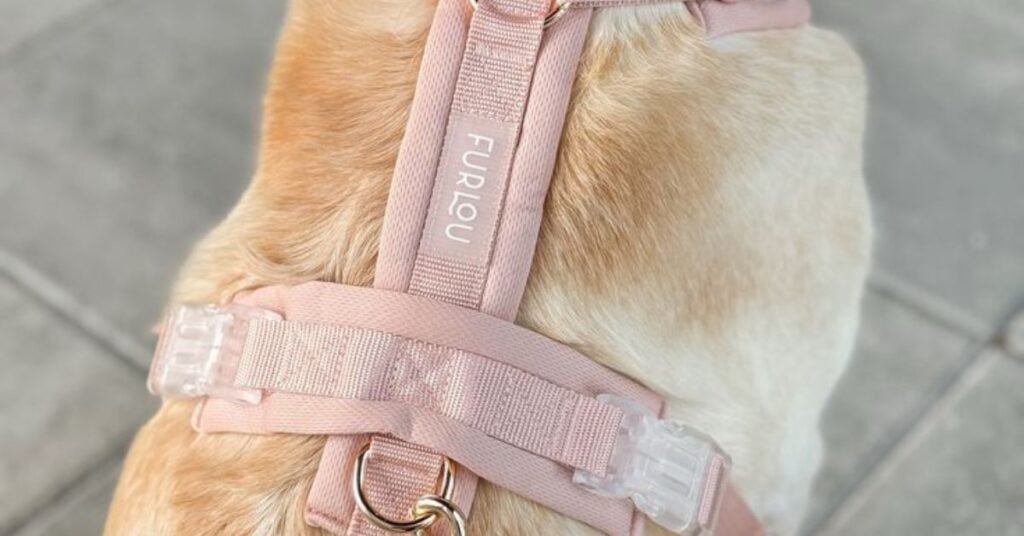
Regularly check the collar for fraying fabric, loose stitching, cracked leather, or weak buckles. A damaged collar can break unexpectedly and put your dog at risk. Replace the collar immediately if you notice signs of wear.
Clean Metal Parts Properly
Buckles, rings, and tags can collect dirt and moisture. Wipe metal parts with a dry or slightly damp cloth to prevent rust and keep them working smoothly.
Avoid Using Harsh Chemicals
Strong detergents or bleach can weaken materials and irritate your dog’s skin. Always use mild, pet-safe cleaning products to maintain both hygiene and comfort.
Allow Leather Collars to Air Dry Naturally
Never place leather collars under direct sunlight or near heaters. Air drying helps maintain flexibility and prevents stiffness or cracking.
Rotate Between Collars
If possible, keep more than one collar for your dog. Rotating collars allows each one to rest, dry fully, and last longer.
Remove the Collar During Bath Time
Taking off the collar during baths prevents soap buildup and water damage, especially for leather collars.
Store the Collar Properly
When not in use, store the collar in a cool, dry place. Proper storage helps preserve the material and shape.
Check Fit After Cleaning
Collars may shrink or loosen slightly after washing. Always recheck the fit before putting it back on your dog.
Maintain Good Neck Hygiene
While caring for the collar, also clean your dog’s neck area. This prevents skin irritation and keeps both the collar and your dog comfortable.
Dry the Neck Area Thoroughly
After cleaning your dog’s neck, make sure the area is completely dry before putting the collar back on. Moisture trapped under the collar can cause skin irritation, rashes, or fungal infections over time.
Brush the Fur Around the Neck Regularly
Brushing helps remove loose hair, dirt, and tangles that can rub against the collar. This improves airflow around the neck and reduces friction, keeping your dog more comfortable.
Watch for Signs of Irritation or Hair Loss
Check your dog’s neck for redness, itching, sores, or hair thinning. These signs may indicate that the collar is too tight, dirty, or made from an unsuitable material.
Adjust Collar Fit as Needed
As your dog grows or gains weight, the collar fit may change. Regularly adjusting the collar ensures it does not rub or press too hard against the neck.
Give Collar-Free Time
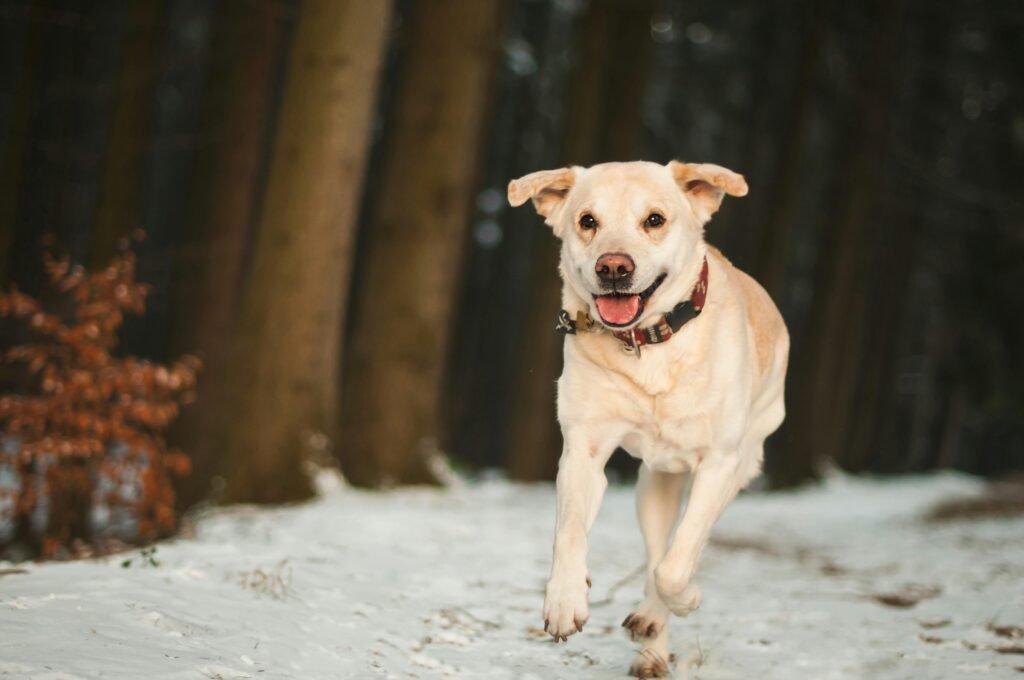
Allow your dog to go without a collar for a few hours at home, especially after cleaning. This gives the skin time to breathe and recover.
Use Soft Padding for Sensitive Dogs
Dogs with sensitive skin may benefit from padded or fleece-lined collars that reduce pressure and friction.
Consult a Vet for Persistent Skin Issues
If irritation continues despite proper cleaning and care, consult a veterinarian. Skin problems may need medical attention beyond collar maintenance.
Create a Regular Hygiene Routine
Make neck cleaning and collar care part of your regular grooming schedule. Consistency helps prevent long-term discomfort and keeps your dog healthy.
Set a Weekly Cleaning Schedule
Choose specific days for cleaning your dog’s collar and checking their neck area. A weekly routine makes it easier to stay consistent and ensures dirt, sweat, and bacteria do not build up over time.
Match Hygiene Care with Grooming Sessions
Combine collar care with regular grooming activities such as bathing, brushing, or nail trimming. This saves time and ensures your dog’s overall cleanliness and comfort are maintained together.
Track Any Skin Changes Over Time
Pay attention to your dog’s skin condition around the neck. Keeping a routine allows you to quickly notice redness, dryness, or irritation and address it before it becomes serious.
Adjust the Routine Based on Activity Level
Active dogs or dogs that spend more time outdoors may need more frequent cleaning. Adjust your hygiene routine according to your dog’s lifestyle and environment.
Use Positive Reinforcement During Care
Reward your dog with treats or praise after cleaning their neck or collar. This creates a positive experience and makes future care sessions easier.
Replace Old Collars When Necessary
Even with proper hygiene, collars wear out over time. A regular routine helps you identify when it’s time to replace an old or uncomfortable collar.
Pingback: Pet Gear Dog Stroller – Safe & Comfortable Travel for Pets