
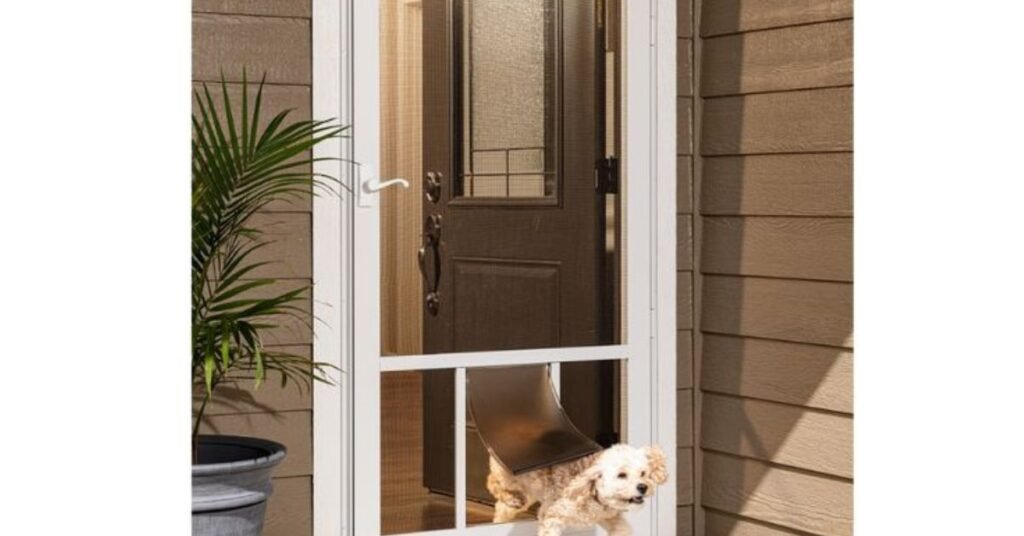
Pet safe doors for dogs are becoming essential for modern pet owners who want convenience without compromising their dog’s safety. These specially designed doors allow dogs to move freely in and out of the house while giving owners peace of mind that their pets are protected from outdoor dangers, extreme weather, and unwanted animals entering the home. Whether you have a small puppy or a large breed, a pet safe door helps create a secure and comfortable environment for your furry friend.
In this blog, we’ll explore how pet safe doors work, why they’re important, their benefits, safety features, and tips to choose the right one for your home. If you want a secure, happy, and more independent lifestyle for your dog, this guide is for you.
What Are Pet Safe Doors for Dogs?
A pet safe door is a specially engineered door flap or panel designed to allow dogs to go outside independently while keeping your home safe. These doors come with locking systems, durable materials, insulation features, and security designs that prevent accidents and unauthorized entry.
Why You Should Consider a Pet Safe Door
1. Increased Independence for Your Dog
Dogs can move freely to relieve themselves, play, or get fresh air without waiting for you to open the door.
2. Prevents Accidents Indoors
No more worrying about your dog having an accident inside when you’re busy or away for a few hours.
3. Saves Your Time
You don’t have to constantly get up to let your dog in or out—perfect for busy pet parents.
4. Great for Active Breeds
High-energy dogs love the freedom of going outside whenever they want.
Top Safety Features in Pet Safe Dog Doors
1. Secure Locking System
Most safe dog doors come with manual or electronic locks that prevent unwanted entry.
2. Weatherproof Insulation
These doors keep out cold winds, rain, insects, and dust, ensuring your home stays clean and energy efficient.
3. Durable, Chew-Proof Materials
Made of strong plastics or aluminum to withstand scratching, chewing, and rough use.
4. RFID / Microchip Technology
Some advanced doors only open when your dog (wearing the special collar or chip) approaches, keeping stray animals out.
5. Soft Flap Design
Ensures your dog can enter safely without hurting themselves or getting stuck.
Types of Pet Safe Dog Doors
1. Traditional Flap Doors
Affordable and easy to install, best for smaller dogs or calm indoor-outdoor pets.
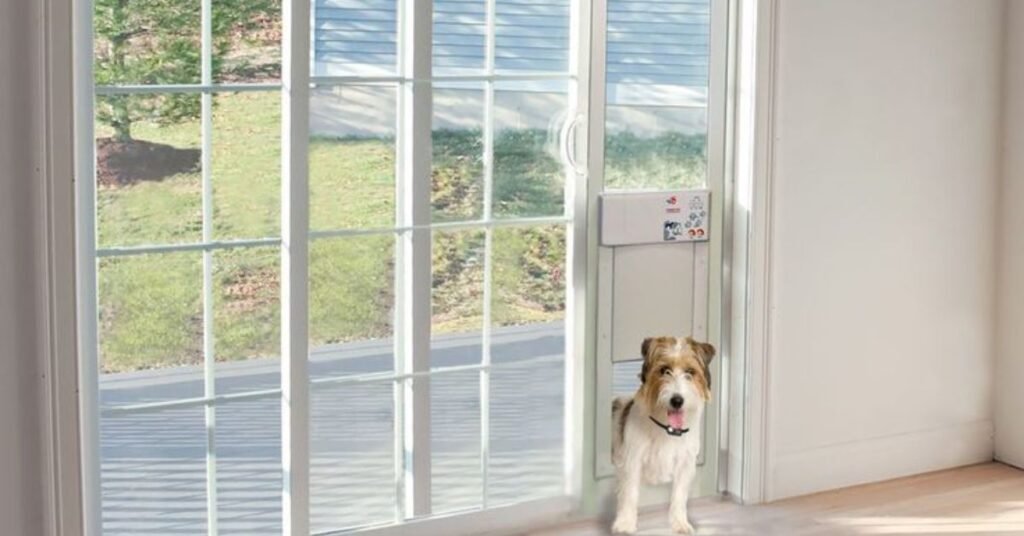
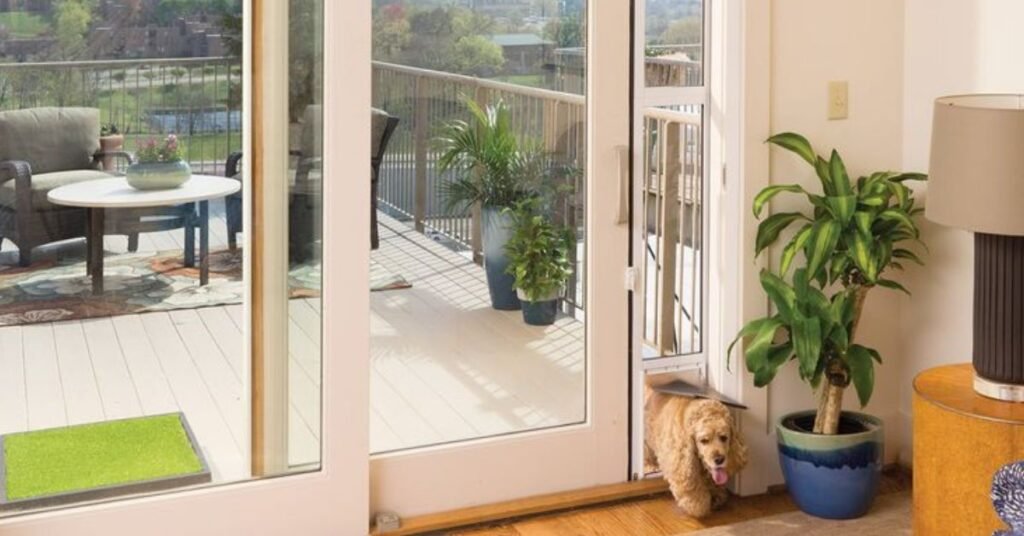
2. Sliding Glass Pet Doors
Perfect for houses with patio doors; stylish and practical.
3. Wall-Mounted Dog Doors
Great for homes without suitable main doors. They provide privacy and better control of your dog’s exit area.
4. Electronic Smart Dog Doors
High-tech doors that use sensors, microchips, or apps to control your dog’s movement and enhance home security.
Benefits of Using a Pet Safe Door
- Reduces anxiety by giving dogs a sense of freedom
- Encourages exercise and outdoor activity
- Helps with potty training
- Reduces indoor messes and destructive behavior
- Makes travel and busy routines easier for pet owners
How to Choose the Right Pet Safe Door
1. Measure Your Dog Correctly
Make sure the door is tall and wide enough for easy movement.
2. Consider Your Home Layout
Choose between door-mounted, wall-mounted, or sliding options based on your space.
3. Check Safety Features
Look for strong locks, durable flaps, and weatherproof seals.
4. Think About Your Dog’s Temperament
Active dogs may need sturdier doors; shy dogs may prefer soft-flap designs.
5. Budget and Maintenance
Choose a long-lasting product that fits your budget and is easy to clean.
Training Your Dog to Use a Pet Safe Door
- Encourage with treats
- Hold the flap open the first few times
- Reward your dog for stepping through
- Practice daily until they gain confidence
- Never force—let them go at their own pace
Create a Positive Environment Around the Door
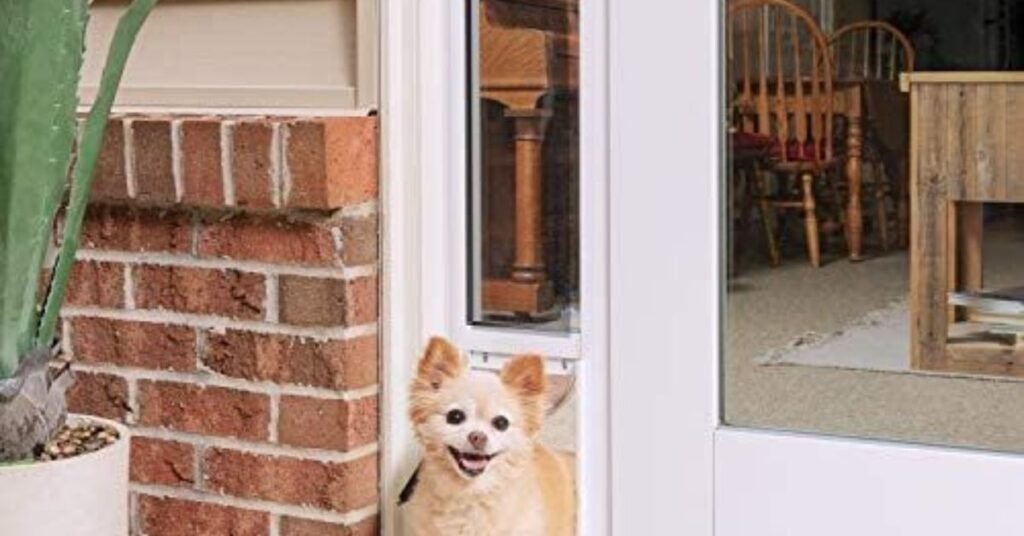
Make the area around the pet safe door calm and inviting. Remove clutter or anything that might scare your dog. A comfortable space helps your dog feel more confident approaching the door.
Use Familiar Scents to Reduce Fear
Place a blanket, toy, or cloth with your dog’s scent near the door. Familiar smells reduce anxiety and make your dog feel more comfortable exploring the new space.
Gradually Introduce the Flap Movement
Some dogs are scared of the flap noise. Gently move the flap back and forth while giving treats, so your dog learns the sound is not threatening. Over time, they’ll get used to the swinging motion.
Guide Them with Voice Commands
Use simple phrases like “Go outside” or “Inside” each time they pass through. Stay consistent with your wording. Dogs learn faster when commands are repeated in the same tone and context.
Encourage Walk-Through Training Sessions
Stand on one side of the door and call your dog from the other side. Reward them each time they successfully walk through. Repeat several times daily for faster learning.
Be Patient with Nervous or Young Dogs
Some dogs require extra time—especially puppies or timid breeds. Give them space and never rush. Confidence builds slowly, and forcing them may create fear instead of comfort.
Increase Distance Once They Get Comfortable
Once your dog starts using the door easily, increase the distance between you and the door during training. This helps teach independence, so your dog learns to use the door even when you’re not nearby.
Celebrate Small Progress
Clap, praise, or offer small treats when your dog makes even tiny improvements—like touching the flap or pushing it slightly. Positive encouragement boosts confidence and helps them learn faster.
Keep Training Sessions Short and Fun
Dogs learn best in short bursts. Keep each session 5–10 minutes and end on a positive note. This keeps your dog excited for the next training moment.
Gradually Reduce Your Assistance
In the beginning, you may need to hold the flap or guide your dog. But slowly step back and allow them to do more on their own. This transition from full guidance to independence teaches your dog to use the door even when you’re not around.
Monitor Your Dog’s Comfort Level
Pay attention to your dog’s behavior. If they seem stressed, whining, or avoiding the door, take a break and try again later. Every dog learns at a different pace, and your patience will make the process smoother and more positive.
Use Both Indoor and Outdoor Encouragement
Practice from both sides of the door. Stand outside and call your dog through, then switch to the inside. This helps your dog understand that the door works both ways and builds confidence in using it freely.
Make Training a Bonding Experience
Give your dog love, encouragement, and gentle praise throughout the training process. This strengthens the bond between you and your pet, making the learning experience enjoyable rather than stressful.
Avoid Punishment Completely
Never scold or punish your dog if they hesitate or make mistakes. Negative reinforcement creates fear, making it harder for your dog to trust the door. Always use calmness, patience, and praise-based training.
Encourage Independent Use Over Time
Once your dog feels confident, increase the time you spend away from the door during training. Slowly let them decide on their own when to use it. This independence shows that your dog fully understands how the pet door works.
Reinforce Good Behavior Regularly
Even after your dog has learned the skill, reward them occasionally when they use the door correctly. This keeps their training strong and motivates them to continue using the pet safe door confidently.
Ensure the Area Outside the Door Is Safe
Your dog will only use the pet door comfortably if the outside area feels safe. Make sure the garden, yard, or patio is secure, clean, and free of anything that can scare or distract your dog.
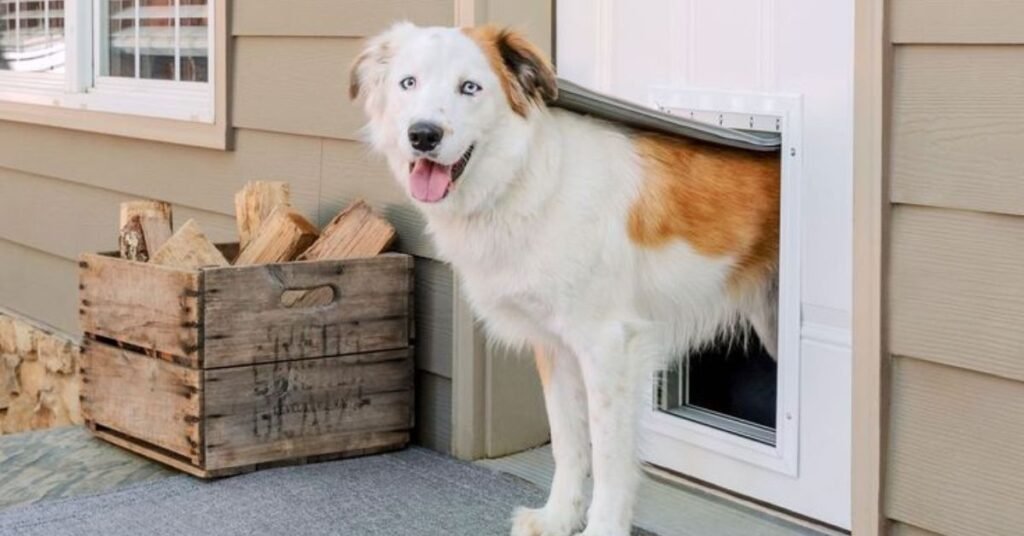
Create a Clear Pathway for Easy Access
Make sure there’s nothing blocking the entrance outside—no furniture, sharp objects, buckets, plants, or clutter. A clear path helps your dog move freely without hesitation. When the route is open and easy to navigate, your dog will feel more confident going in and out independently.
Check the Ground Surface Regularly
The surface outside the pet door should be comfortable for your dog’s paws. Avoid rough gravel, slippery tiles, or areas with standing water. Choose soft grass, anti-slip mats, or smooth flooring so your dog can step out safely without discomfort.
Maintain Good Lighting in the Area
If your dog uses the pet door during evening or nighttime, make sure the outdoor area has enough lighting. A small motion sensor light or garden light makes your dog feel more secure and eliminates fear of dark spaces.
Keep the Outdoor Area Calm and Quiet
Dogs may avoid using the pet door if the outside seems noisy or chaotic. Try to reduce loud sounds—like moving objects, banging gates, or noisy machinery near the door. A calm environment builds confidence and encourages regular use.
Monitor Weather Conditions
Dogs can be sensitive to harsh weather. If it’s extremely hot, cold, rainy, or windy, your dog might hesitate to use the door. Adding a small sheltered spot right outside the door, like a canopy or shade area, keeps the environment more comfortable and inviting.
Remove Any Tempting Hazards
Outdoor distractions like open trash bins, gardening tools, toxic plants, or small objects can attract dogs. Remove these items to prevent accidents, ingestion of harmful materials, or distractions that may pull your dog away from the safe zone.