
Introduction
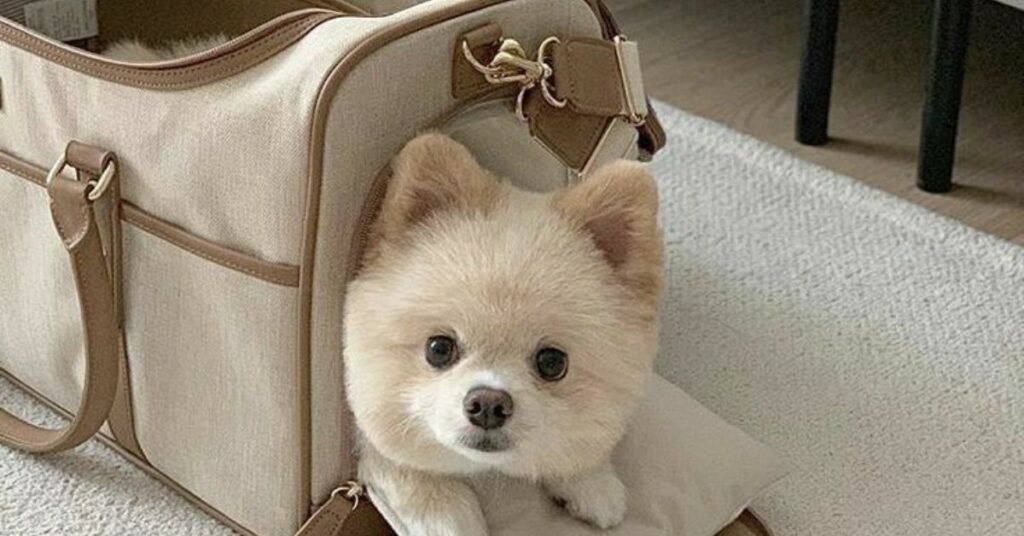
Traveling with a small dog can be a wonderful experience, but it requires careful preparation to ensure safety, comfort, and peace of mind. One of the most important tools for successful pet travel is a well-designed pet carrier. Whether you’re taking a short trip to the vet or planning a long journey by air, the right carrier provides protection, reduces stress, and creates a cozy personal space for your pet. Small dogs are especially sensitive to unfamiliar environments, noise, and movement, which makes a reliable carrier essential for their wellbeing.
1. Why Pet Carriers Are Essential for Small Dogs
Pet carriers provide a secure, enclosed environment that helps small dogs feel safe during travel. Because small breeds are more prone to stress and anxiety, having a familiar and protected space makes a huge difference. Carriers also prevent sudden injuries caused by abrupt movements, bumps, or unexpected stops — especially during car rides or flights. For owners, a carrier offers convenience, control, and the reassurance that their pet is safe throughout the journey.
2. Different Types of Pet Carriers for Small Dogs
Choosing the right carrier depends on your dog’s size, temperament, and the type of travel you’re planning. The common types include:
Soft-Sided Carriers
Lightweight, flexible, and ideal for everyday travel or flights. Mesh windows allow airflow and visibility, helping reduce anxiety.
Hard-Shell Carriers
Durable and protective, these carriers are perfect for longer journeys or energetic dogs that need extra stability.
Backpack Carriers
Great for walking, hiking, or city trips. They offer hands-free convenience while keeping your dog secure and close.
Sling Carriers
These carriers are perfect for calm, tiny dogs. They are lightweight, comfortable, and ideal for short outings or crowded locations.
3. Important Features to Look for in a Pet Carrier
To ensure maximum comfort and safety, look for these essential features:
✓ Ventilation
Proper airflow is critical to prevent overheating and maintain comfort.
✓ Durable Locks & Zippers
Strong closures keep your dog secure and prevent accidental escapes.
✓ Soft Interior Padding
A padded bottom provides comfort during long trips and helps reduce stress.
✓ Perfect Size Fit
Your dog should be able to sit, stand, turn around, and lie down comfortably.
✓ Airline Compatibility
If flying, check that the carrier meets airline size and ventilation requirements.
4. How to Prepare Your Dog for the Carrier
To make travel stress-free, introduce the carrier gradually. Keep it open at home and let your dog explore it naturally. Add blankets, toys, or treats to create a positive experience. Short training sessions where you close the carrier lightly for a few minutes help your dog get used to being inside. When your dog feels secure in the carrier, the entire journey becomes smoother and more enjoyable.
5. Safety Tips for Traveling With a Small Dog in a Carrier
Secure the Carrier Properly
Always fix the carrier with a seatbelt or strap during car rides.
Maintain a Comfortable Temperature
Avoid extreme heat or cold and ensure proper ventilation.
Give Hydration and Breaks
On long drives, offer water and allow short breaks for stretching.
Use Calming Items
A familiar blanket, toy, or your scent can help reduce anxiety.
Follow Travel Rules
Airlines and transport services have specific carrier guidelines — always check them.
6. Ensure a Smooth and Comfortable Journey
Following the right steps makes traveling peaceful, safe, and comfortable. When your dog is relaxed, the carrier is well-prepared, and travel rules are followed, the entire journey becomes stress-free. Proper planning enhances comfort and builds your dog’s confidence, making future trips easier and more enjoyable.
7. Common Mistakes to Avoid
Many owners choose the wrong carrier size or ignore ventilation, which leads to discomfort. Never place the carrier loosely in the car — always secure it. Also, failing to check airline regulations beforehand can cause delays or denied boarding. Regularly inspect the carrier for wear and tear to ensure safety.
8. How to Keep Your Dog Calm Inside the Carrier
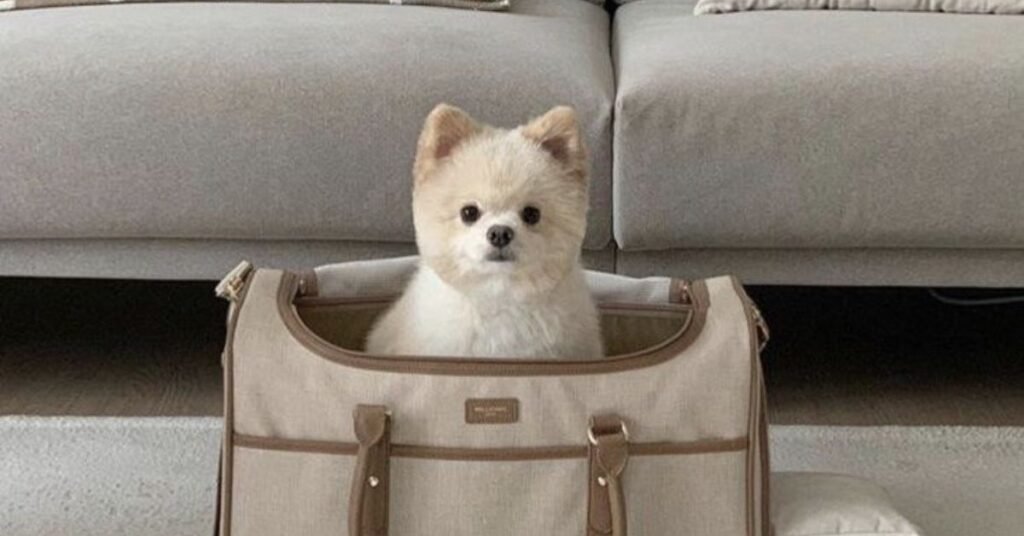
A peaceful dog makes the journey much more pleasant. Start with gentle carrier training, give a pre-travel walk, and always stay calm yourself. Dogs pick up on your emotions — if you’re relaxed, your pet will be too. Natural calming sprays or treats can also help dogs who experience travel anxiety.
9. Best Situations to Use a Pet Carrier
Pet carriers are useful beyond travel — they are ideal for vet visits, grooming appointments, public transport, shopping malls, and outdoor activities. For hiking or city walks, backpack carriers are perfect. Hard-shell carriers are best for flights and long trips. Choosing the right carrier for each activity ensures safety and convenience.
10. When You Should Replace a Pet Carrier
Replace the carrier if you notice damage such as torn mesh, broken zippers, weak structure, or worn-out padding. An old or unstable carrier puts your dog at risk, while a new one ensures maximum safety and comfort.
11. How to Clean and Maintain Your Pet Carrier
Keeping your pet carrier clean is essential for your dog’s health and comfort. A dirty or smelly carrier can cause stress, skin irritation, or infections. Always start by removing any loose fur or debris using a soft brush or vacuum. For soft-sided carriers, use mild pet-safe detergent and warm water to wash the fabric areas. Hard-shell carriers can be cleaned easily with disinfectant wipes or a gentle cleaning solution.
Let the carrier dry completely before using it again — moisture can lead to mold, unpleasant odor, and bacterial growth. Regular maintenance not only keeps the carrier hygienic but also extends its lifespan, ensuring your dog always has a clean and fresh space.
12. Choosing the Right Carrier for Your Dog’s Personality
Every dog has a unique temperament, and selecting a carrier that matches their personality can improve their comfort.
Dogs who enjoy staying close to their owners may love sling or backpack carriers because of the closeness and warmth.
Anxious dogs often feel safer in enclosed carriers with limited visibility, while curious and confident dogs may prefer mesh carriers that allow them to look outside.
Understanding your dog’s behavior helps you choose a carrier that makes them feel secure and reduces travel-related stress.
13. Benefits of Using a Carrier Beyond Travel
A pet carrier isn’t useful only for transport — it can also serve as a personal retreat for your dog at home.
Many small dogs enjoy having a safe, cozy space where they can relax, especially when guests arrive or during loud events like fireworks.
Carriers can also help manage separation anxiety by providing a familiar environment.
Using the carrier at home ensures your dog stays comfortable in different settings and adjusts quickly whenever travel is needed.
14. Signs Your Dog Is Uncomfortable in the Carrier
It’s important to observe your dog’s behavior when using the carrier. Signs of discomfort include excessive whining, scratching, panting, shaking, or refusing to enter the carrier.
These signs may indicate that the carrier is too small, too hot, poorly ventilated, or associated with stress.
Adjusting the carrier’s padding, improving airflow, or reintroducing carrier training can help solve these issues.
If discomfort continues, it might be time to switch to a different type of carrier better suited to your dog.
15. Tips for First-Time Travelers
If it’s your dog’s first major trip, start preparing early. Conduct short practice sessions by taking your dog on mini car rides in the carrier. Introduce sounds, movement, and new environments gradually.
Pack essentials like treats, collapsible bowls, wipes, and a spare leash.
A calm routine before leaving — such as a short walk, a light meal, and some playtime — helps your dog stay relaxed.
The more positive the preparation, the smoother the first travel experience will be.

16. Expert Advice for Airline Travel
Flying with a small dog requires extra planning. Always confirm your airline’s policies regarding in-cabin pet travel.
Choose a soft-sided, airline-approved carrier with flexible dimensions that can fit under the seat.
Avoid feeding your dog right before the flight to prevent nausea, but ensure they are hydrated.
Arrive early at the airport to reduce stress for both you and your dog.
With the right preparation, flying with your small dog becomes much more manageable and comfortable.
17. Cost Considerations When Buying a Carrier
Pet carriers come in various price ranges, depending on material, brand, features, and size.
Soft carriers are usually affordable, while hard-shell and airline-approved carriers can cost more.
Instead of buying the cheapest option, focus on durability, comfort, and safety.
A high-quality carrier is a long-term investment that pays off by providing security and lasting value for years.
18. Eco-Friendly Pet Carrier Options
Many brands now offer eco-friendly carriers made from recycled, sustainable, or non-toxic materials.
These carriers not only reduce environmental impact but are also safer for pets with allergies or sensitive skin.
If you prefer environmentally conscious choices, look for carriers labeled as eco-safe or sustainable.
19. Accessories to Improve Your Dog’s Carrier Experience
Adding a few thoughtful accessories can make your dog even more comfortable.
Consider items like soft blankets, cooling mats, chew toys, clip-on water bottles, and calming sprays.
These accessories help keep your dog entertained and relaxed during long trips.
20. Consider Airline-Approved Carrier Options
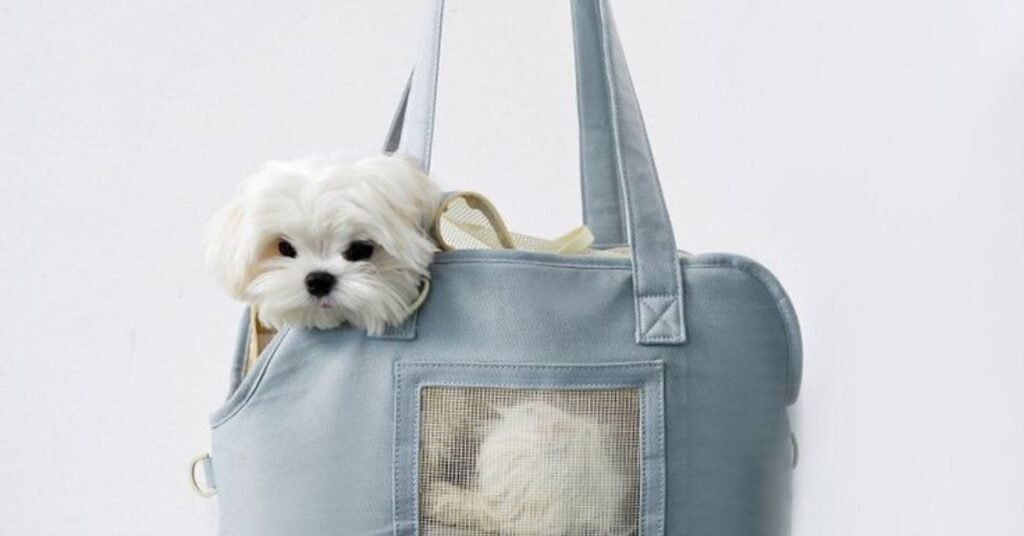
If you plan to fly with your small dog, choosing an airline-approved carrier is essential. These carriers meet specific size, ventilation, and safety standards that airlines require for in-cabin travel. Always check your airline’s guidelines in advance, as requirements may vary. A well-designed, approved carrier ensures your pet stays safe, comfortable, and compliant during the entire flight.
21. Evaluate Comfort Features Carefully
Comfort should always be a priority. Look for carriers that include features such as extra padding, breathable mesh panels, soft interior lining, and ergonomic shoulder straps. High-quality comfort features reduce stress for your dog and make it easier for you to carry them. A cozy dog is a calm dog, especially during long travel hours.
22. Choose a Design That Fits Your Lifestyle
Pet carriers come in various formats—backpacks, slings, classic crates, rolling carriers, and luxury tote styles. Select a design that matches your daily lifestyle.
- If you travel by foot often, a backpack keeps your hands free.
- If you prefer city travel, a tote carrier blends seamlessly with your outfits.
- For long distances, a rolling carrier offers easier mobility.
Your lifestyle plays a major role in selecting the perfect carrier.
23. Look for Water-Resistant and Easy-Clean Materials
Traveling with pets can get messy, so choose carriers made from materials that resist moisture and are easy to wipe clean. Removable and machine-washable pads are a big advantage. This not only maintains hygiene but also keeps your dog’s environment fresh and odor-free.
24. Test the Carrier at Home Before Traveling
Before using the carrier outdoors, introduce it to your dog at home. Let them explore it, sniff around, and sit inside for short periods. Gradually increase the duration. This helps your dog feel safe and familiar with the carrier, reducing anxiety during actual travel.
25. Keep Travel Essentials Organized
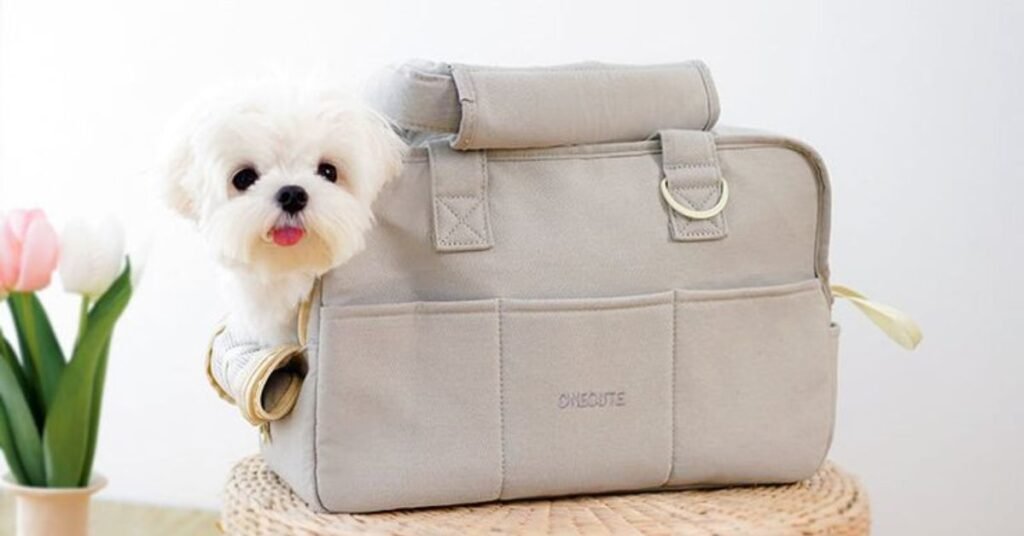
A good carrier should also help you carry your dog’s essential items. Use the side pockets or compartments to store treats, poop bags, collapsible bowls, vaccination cards, wipes, or a small bottle of water. Having these items easily accessible ensures a smooth, interruption-free journey.
26. Ensure Proper ID and Security Tags
Always attach identification tags to both your dog and the pet carrier. Include your name, phone number, and address to ensure your pet can be returned safely in case of an emergency. Some carriers even include built-in ID windows, making organization simpler.
27. Stay Mindful of Temperature Changes
Small dogs are sensitive to temperature changes. During hot weather, ensure the carrier provides good airflow. Avoid placing it in direct sunlight for long periods. In cold weather, add a small blanket or warming pad to keep your dog comfortable. Always monitor your pet throughout the journey.
28. Maintain the Carrier Regularly
Over time, carriers can wear out—zippers loosen, mesh tears, and padding flattens. Regular maintenance not only extends the carrier’s lifespan but also ensures your dog’s safety. Replace damaged parts and inspect the carrier before every trip.
29. Match Carrier Size to Your Dog’s Weight and Breed
Even small dogs come in different shapes. A Chihuahua, Pomeranian, French Bulldog puppy, and Shih Tzu all have different body builds. When selecting a carrier, measure both the dog’s length, height, and weight. Make sure they can turn around comfortably. A well-fitted carrier prevents injuries and improves your dog’s relaxation.
30. Prioritize Safety Above All
No matter how stylish a carrier is, safety should always come first. Ensure it has secure closures, strong materials, proper ventilation, and stability. Your dog’s health and well-being should remain your top priority in every travel situation.
Pingback: Best Pet Safe Doors for Dogs | Secure & Easy Access Guide