
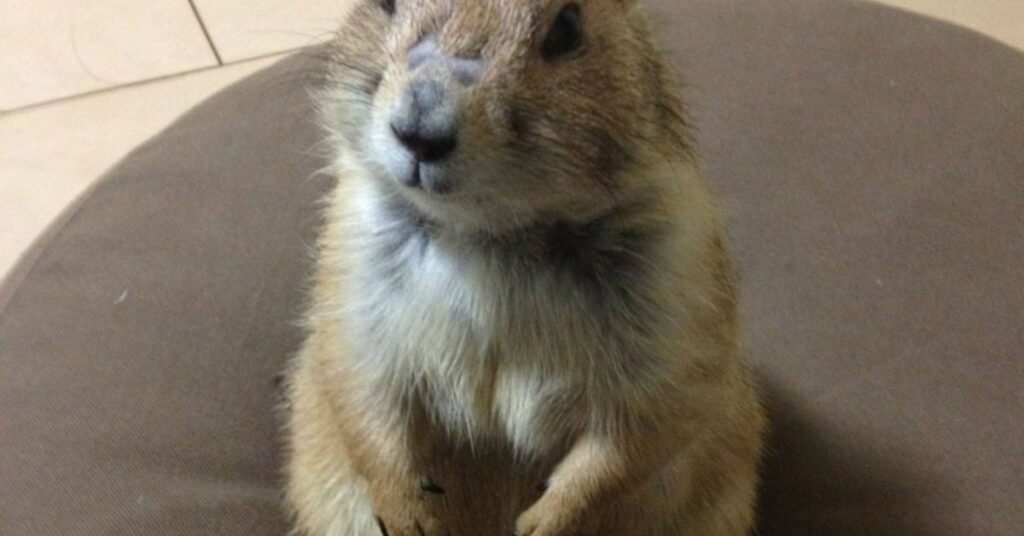
For anyone considering a prairie dog as a pet, it’s essential to understand that these animals require specialized care, patience, proper space, and daily interaction. They thrive on companionship and emotional bonding, which means they need much more than just a basic cage and occasional feeding. Prairie dogs can become wonderful companions, but only if their physical, behavioral, and emotional needs are fully met.
Are Prairie Dogs Good Pets?
Prairie dogs can make loyal, affectionate pets, but they are best suited for owners who have experience with exotic animals or are ready to commit time and attention. They bond deeply with their owners and enjoy being around people. However, they can become stressed, bored, or aggressive if left alone for long periods.
They are:
- Emotionally expressive
- Very active
- Social by nature
- Intelligent and curious
Legal Requirements
Before adopting a prairie dog, always confirm whether it is legal in your region. Some countries, states, and provinces have strict regulations due to:
- Disease control
- Wildlife protection
- Breeding rules
Always adopt from a licensed and ethical breeder to ensure your pet is healthy and safely bred.
Understanding Their Personality
Prairie dogs have strong personalities. They communicate through barks, chirps, whistles, and even growls. Each sound carries meaning — from excitement to warnings.
Their nature is:
- Playful
- Very energetic
- Strongly bonded to family
- Territorial during certain seasons
Housing & Habitat Requirements
A prairie dog cannot live happily in a small cage. They need a spacious environment and opportunities to mimic their natural lifestyle.
Ideal Habitat Should Include:
- A large enclosure with solid floors
- Deep digging material (soil, hay, or a mix)
- Tunnels and hideouts
- Chewing toys and enrichment items
- Ventilation and proper temperature
Because they dig naturally, they need a minimum of 12–18 inches of bedding to satisfy their instinct.
Diet & Nutrition
A healthy prairie dog diet should be high in fiber and low in sugar.
Recommended Foods:
- Timothy hay (main diet)
- Fresh grasses
- Leafy greens (spinach, romaine, kale)
- Vegetables like carrots, squash, sweet potato
- Prairie dog–specific pellets
Avoid:
- Nuts
- Sugary fruits
- Junk food
- Seeds
- Processed snacks
Correct nutrition prevents obesity, dental issues, and digestive problems.
Daily Routine & Activity Levels
Prairie dogs are extremely active throughout the day.
Morning:
- Foraging
- Exploring
- Digging
- Greeting their owner
Afternoon:
- Playtime
- Chewing activities
- Tunneling
- Social communication
Evening:
- Grooming
- Relaxing
- Bonding with their owner
Enrichment & Mental Stimulation
Best Enrichment Ideas:
- Deep digging boxes
- PVC tunnels
- Cardboard boxes
- Wood chew toys
- Puzzle feeders
- Safe outdoor time in a secure enclosure
Training & Socialization
Prairie dogs are surprisingly trainable. With consistency, they can learn:
- Name recognition
- Coming when called
- Using a litter box
- Simple tricks
Training strengthens your bond and keeps them occupied.
Health Care & Lifespan
Prairie dogs can live 8–10 years with proper care.
Health Signs to Watch:
- Overgrown teeth
- Hair loss
- Lethargy
- Rapid breathing
- Weight changes
They require exotic pet veterinarians for checkups and emergencies.
Challenges of Owning a Prairie Dog
1. Strong Chewing Behavior
They chew furniture, wires, wood, and plastic if unsupervised.
2. High Social Needs
Leaving them alone for long hours can make them depressed.
3. Seasonal Behavior Changes
They may become territorial during mating season.
4. Not Ideal for Kids
They can nip when scared or mishandled.
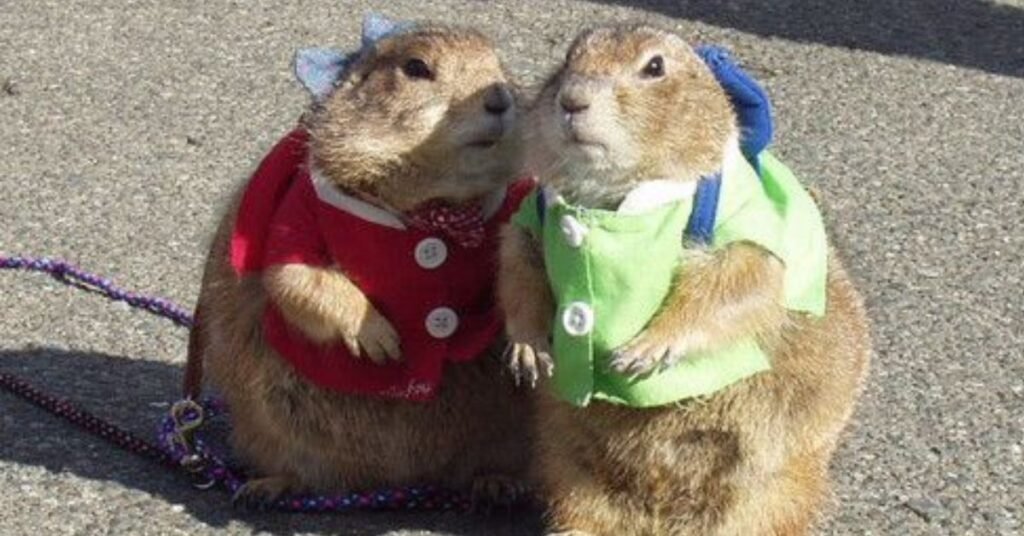
Bonding With Your Prairie Dog
Building trust takes time. You must:
- Sit near them daily
- Offer hand-feeding
- Talk softly
- Avoid sudden movements
- Allow them to approach you
Once bonded, prairie dogs become extremely affectionate and loyal.
Costs to Consider
Owning a prairie dog can be expensive.
Upfront Costs:
- Purchase from breeder
- Large enclosure setup
- Bedding, digging material
- Toys, tunnels
Monthly Costs:
- Hay
- Vegetables
- Pellets
- Replacing damaged toys
- Occasional vet visits
- Be sure you are prepared for long-term care.
Environmental Enrichment & Natural Instincts
One of the biggest responsibilities is allowing your prairie dog to express its natural instincts. Digging, chewing, and climbing are not bad behaviors — they are necessary activities that keep them physically fit and mentally balanced.
Experts recommend:
- Deep digging boxes
- Sand trays
- Large tunnels
- Multi-level platforms
- Hideouts
Social Interaction & Bond Maintenance
Once a prairie dog bonds with you, the relationship becomes very meaningful. They recognize their owner’s voice, scent, and presence. If you travel frequently or have a busy schedule, you must ensure:
- A second prairie dog companion or
- Daily bonding time without long gaps
Without social interaction, prairie dogs may develop separation anxiety.
Introducing Prairie Dogs to Other Pets
Prairie dogs should always be introduced to other household pets (cats, dogs, ferrets) with caution.
Avoid direct contact until:
- The prairie dog feels secure
- The other pet shows calm behavior
- You supervise every interaction
Because prairie dogs are prey animals, they can get stressed easily around predators. A safe, slow introduction is crucial.
Preparing for Vet Care
Not all vets treat exotic pets, especially prairie dogs. Before adopting one, research:
- Exotic pet clinics nearby
- Emergency care availability
- Costs for treatment
Regular dental checkups and weight monitoring are essential since their teeth grow continuously.

Is a Prairie Dog the Right Pet for You?
Before adopting, consider:
- Do you have enough time for daily interaction?
- Can you provide a large enclosure?
- Can you afford exotic vet care?
- Do you have space for enrichment and digging?
- Are you ready for long-term responsibility?
If the answer is yes, then a prairie dog can be one of the most affectionate, entertaining, and unique pets you’ll ever have.