
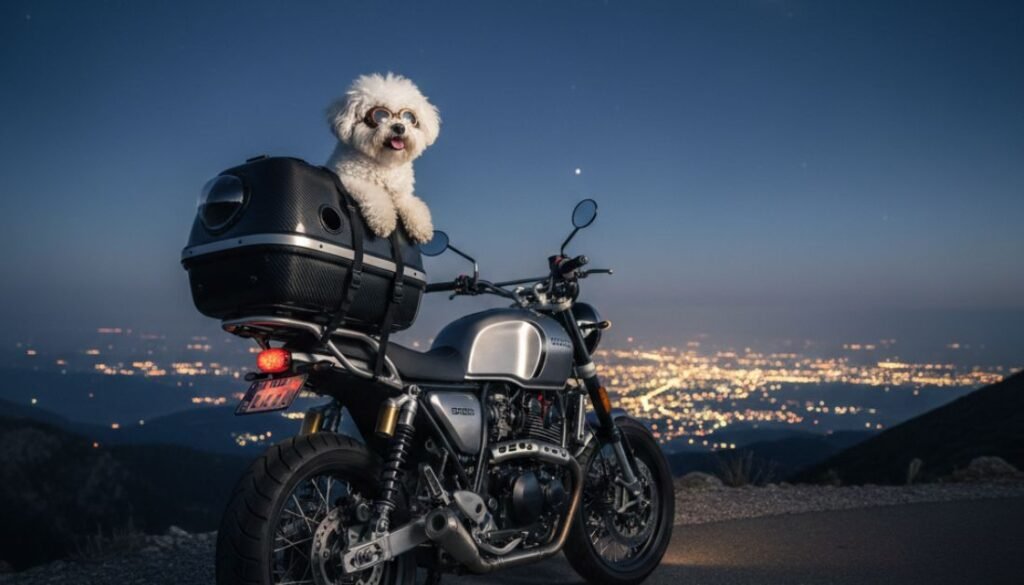
What Is a Motorcycle Pet Carrier for Dogs?
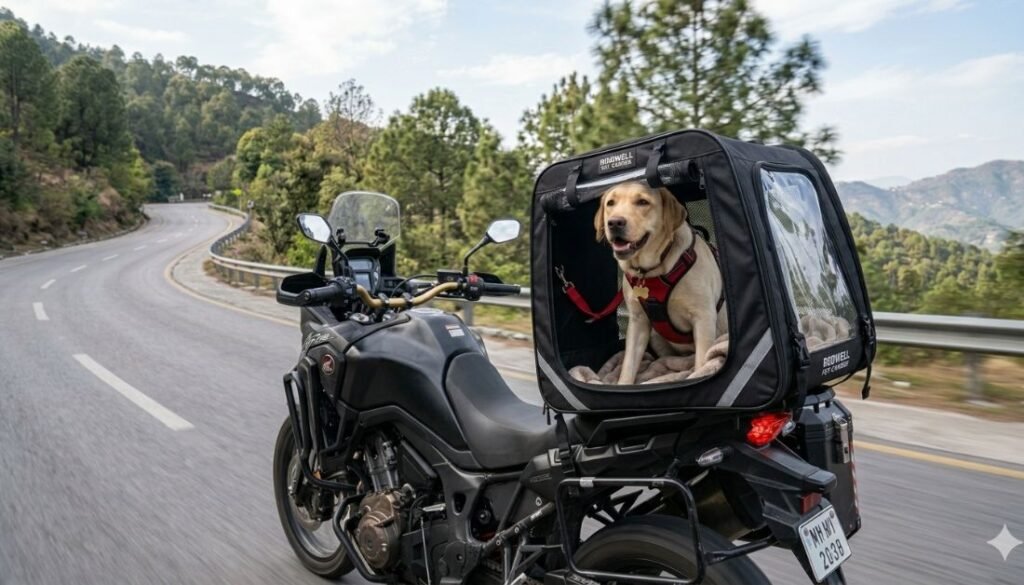
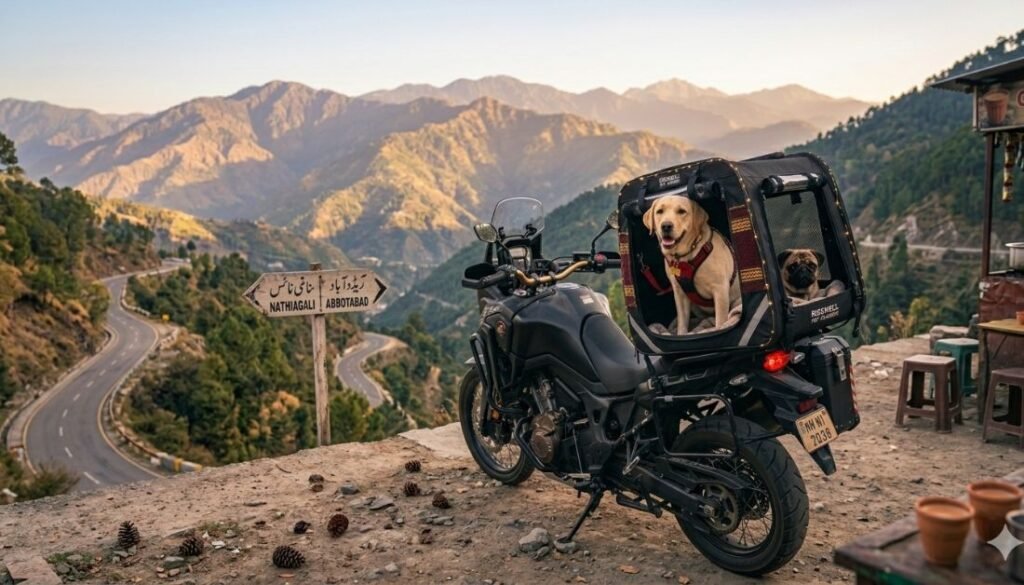
A motorcycle pet carrier is a secure travel bag or enclosure that attaches to your motorcycle. It allows small to medium-sized dogs to travel safely while protecting them from wind, dust, and sudden movements.
Key Features to Look For
When choosing a motorcycle pet carrier for dogs, consider these important features:
Secure Attachment System
The carrier should have strong straps or mounting systems to prevent shifting during rides.
Proper Ventilation
Mesh panels or breathable windows allow fresh air circulation while keeping your dog protected.
Safety Harness Clip
An internal leash clip keeps your dog secured inside the carrier to prevent sudden movement.
Durable and Weather-Resistant Material
High-quality, waterproof materials help protect your pet from rain, wind, and road dust.
Comfortable Padding
Soft interior padding ensures your dog stays relaxed during longer rides.
Benefits of Using a Motorcycle Pet Carrier
Safe and Controlled Travel
A proper carrier reduces the risk of accidents and keeps your dog stable during movement.
Comfortable Riding Experience
With the right padding and ventilation, your dog can enjoy the ride without stress.
Convenient and Portable
Most carriers are lightweight and easy to attach or remove from the motorcycle.
Strengthens Bonding Time
Traveling together creates memorable experiences and strengthens the bond between you and your pet.
Safety Tips for Riding With Your Dog
- Start with short rides to help your dog adjust.
- Always secure the internal safety leash.
- Avoid high speeds and sudden turns.
- Make sure your dog is comfortable and calm before riding.
- Never leave your dog unattended inside the carrier.
Is a Motorcycle Pet Carrier Right for Your Dog?
Motorcycle pet carriers are best suited for small to medium-sized dogs that are calm and comfortable with travel. If your dog shows signs of anxiety or fear, gradual training and short practice sessions can help.
Understanding Your Dog’s Personality
Before using a motorcycle pet carrier, consider your dog’s temperament. Dogs that are confident, relaxed, and used to outdoor environments usually adjust more easily to motorcycle rides.
Considering Size and Weight
Not all dogs are suitable for motorcycle travel. Always check the weight limit and size capacity of the carrier. The dog should be able to sit, turn, and lie down comfortably inside.
Health and Age Factors
Puppies, senior dogs, or dogs with medical conditions may need extra care. It’s important to ensure your pet is physically fit for travel and not sensitive to loud sounds or motion.
Training and Preparation
Introduce the carrier at home first. Let your dog sit inside while the motorcycle is stationary. Gradually start short rides to help your dog become familiar with the movement and noise.
Safety Comes First
Always use the internal safety leash and ensure the carrier is properly secured. A well-fitted carrier reduces risk and provides a stable environment for your pet.

Choose a High-Quality Carrier
Investing in a durable and well-designed motorcycle pet carrier is essential. Strong zippers, reinforced stitching, and sturdy straps add an extra layer of protection during rides.
Check the Weather Conditions
Avoid riding in extreme heat, heavy rain, or strong winds. Comfortable weather conditions help ensure your dog remains safe and relaxed throughout the journey.
Use Protective Gear
For added safety, consider dog goggles to protect your pet’s eyes from dust and wind. Some riders also use lightweight protective jackets for extra comfort.
Use Protective Gear
For added safety, consider dog goggles to protect your pet’s eyes from dust and wind. Some riders also use lightweight protective jackets for extra comfort.
Plan Short and Smooth Rides
Start with short trips and avoid high speeds. Smooth acceleration and careful turns help prevent sudden jolts that could make your dog uncomfortable.
Take Regular Breaks
On longer rides, stop periodically to allow your dog to stretch, hydrate, and relax. Breaks reduce stress and make travel more enjoyable.
Monitor Your Dog During the Ride
Pay attention to your dog’s body language. If your pet appears stressed, restless, or uncomfortable, pause the ride and provide reassurance.
Safety Comes First
Always use the internal safety leash and ensure the carrier is properly secured. A well-fitted motorcycle pet carrier reduces risk and provides a stable, comfortable environment for your dog during rides.
Select a High-Quality Motorcycle Pet Carrier
Choose a carrier made with durable materials, strong zippers, and reinforced straps. A well-built carrier improves stability and protects your dog while riding.
Ensure Proper Fit and Positioning
The carrier should be securely mounted to the motorcycle without shifting. Your dog must have enough space to sit and turn comfortably, but not too much room that causes instability.
Ride at Safe Speeds
Avoid high speeds, sudden braking, and sharp turns. Smooth and controlled riding keeps your dog calm and reduces the risk of injury.
Check Weather Conditions Before Riding
Do not ride in extreme heat, heavy rain, or strong winds. Comfortable weather ensures a safer and more enjoyable experience for your pet.
Take Breaks During Long Rides
If traveling longer distances, stop regularly. Allow your dog to rest, drink water, and stretch to prevent fatigue or stress.
Observe Your Dog’s Behavior
Watch for signs of discomfort such as whining, excessive movement, or anxiety. If your dog appears stressed, pause the ride and provide reassurance.
Recognize Early Warning Signs
Pay attention to small changes in behavior such as heavy panting, restlessness, or refusal to sit comfortably. These signs may indicate that your dog feels uneasy during the ride.
Respond Calmly and Quickly
If your dog shows stress signals, slow down and find a safe place to stop. Speak gently and allow your pet a few moments to relax before continuing the journey.
Build Confidence Gradually
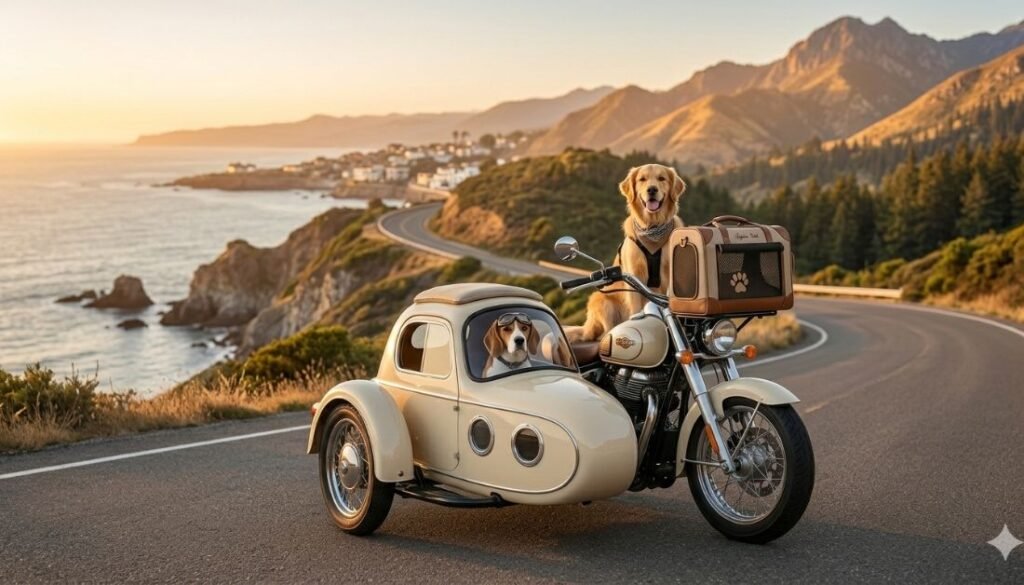
Confidence develops over time. Start with very short rides and slowly increase the duration as your dog becomes more comfortable with the experience.
Maintain a Positive Experience
Always associate motorcycle rides with positive moments. Offer praise or small rewards after safe and calm trips to encourage relaxed behavior in future rides.
Know When to Stop
Not every dog enjoys motorcycle travel. If your pet consistently shows fear or discomfort despite training, it may be best to choose alternative travel options.
Respect Your Dog’s Limits
Every dog has a different personality and comfort level. Forcing your pet to continue riding despite clear signs of stress can affect their trust and well-being. Always prioritize your dog’s comfort over adventure.
Consider Alternative Travel Methods
If motorcycle travel is not suitable, you can explore other safe options such as car travel with a secured pet carrier or pet seatbelt. These alternatives may provide a calmer and more stable environment.
Focus on Your Dog’s Emotional Well-Being
Your dog’s emotional health is just as important as physical safety. If rides cause anxiety, it’s better to choose activities that make your pet feel relaxed and happy.
Make Safety the Top Priority
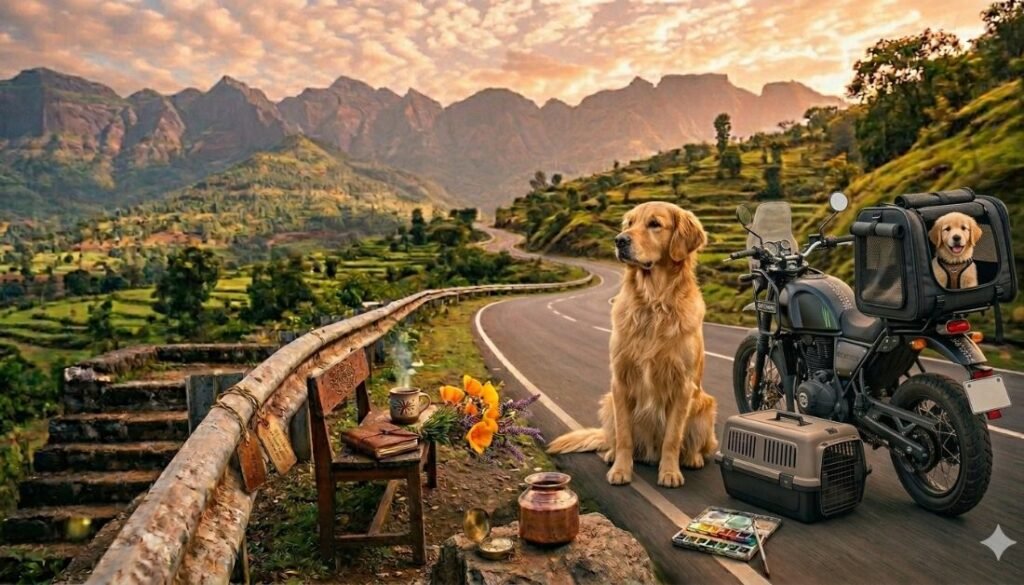
Adventure should never come at the cost of safety. Choosing the right travel method ensures your dog remains secure, confident, and comfortable.
Invest in Proper Safety Equipment
Using a high-quality motorcycle pet carrier designed specifically for dogs is essential. Secure straps, internal leash clips, and sturdy construction greatly reduce potential risks during travel.
Prepare Before Every Ride
Before starting your journey, double-check that the carrier is firmly attached and all zippers are fully closed. A quick safety inspection can prevent unexpected problems on the road.
Train for Road Readiness
Gradual training helps your dog become familiar with engine noise and movement. Calm preparation builds confidence and makes rides smoother and safer.
Prioritize Comfort Along With Security
Safety also includes comfort. Ensure proper ventilation, soft padding, and enough space inside the carrier so your dog can sit naturally without feeling cramped.
Stay Alert While Riding
As a rider, remain attentive to road conditions. Avoid sudden turns, rough terrain, or heavy traffic when traveling with your pet.
Maintain a Steady Speed
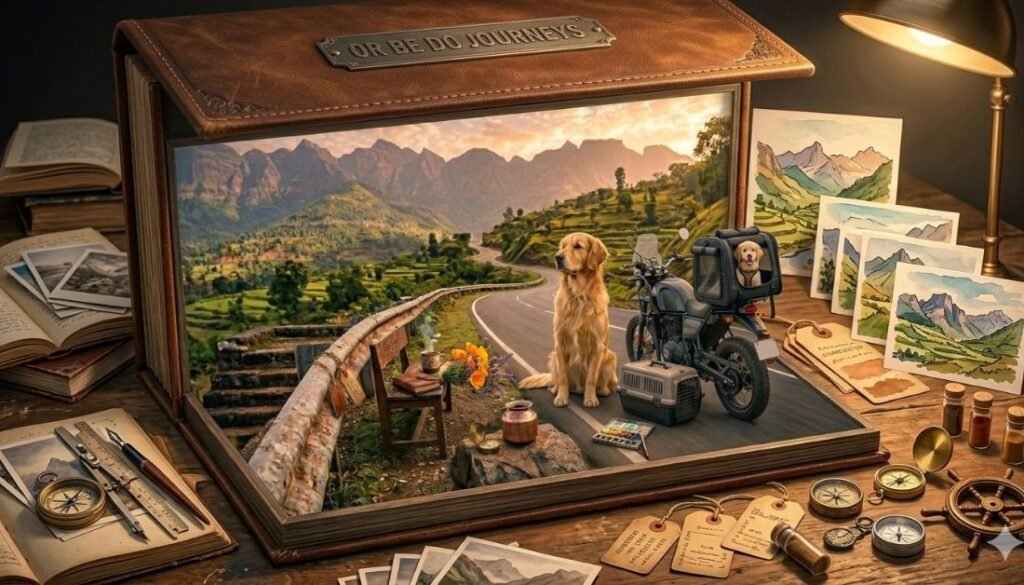
Keeping a consistent and moderate speed helps your dog feel more secure inside the carrier. Sudden acceleration or braking can cause unnecessary stress and imbalance.
Avoid Distractions
Stay focused on the road at all times. Avoid using your phone or engaging in activities that may reduce your attention while riding with your dog.
Choose Safe Routes
Whenever possible, select smoother roads with less traffic. Calm routes reduce noise levels and sudden stops, making the journey more comfortable for your pet.
Keep Both Hands on Control
Proper grip and full control of the motorcycle ensure stability. Safe riding techniques are even more important when carrying a pet.
Plan Your Trip Carefully
Check your route in advance and avoid peak traffic hours. Planning ahead minimizes unexpected situations that could affect your dog’s comfort.

Pack Essential Items for Your Dog
Before leaving, carry important items such as water, a small bowl, treats, and a leash. These essentials help keep your dog comfortable and hydrated during breaks.
Check the Carrier Before Departure
Always inspect the motorcycle pet carrier before starting your trip. Make sure the straps, zippers, and safety leash are secure and functioning properly.
Allow Time for Rest Stops
If the ride is longer than expected, schedule short stops. Rest breaks allow your dog to stretch, relax, and reduce travel stress.
Keep Your Dog Calm Before the Ride
Ensure your dog is relaxed before starting the journey. A short walk or some playtime beforehand can help release excess energy and make the ride smoother.
Stay Flexible During the Journey
Even with careful planning, unexpected situations can occur. Be prepared to adjust your route or stop if your dog needs extra comfort or rest.

Final Summary
Planning your motorcycle trip carefully helps create a safer and more comfortable experience for your dog. With proper preparation and attention to your pet’s needs, motorcycle travel can become a fun and memorable adventure for both of you.