
What Is Pet Safe Nail Polish for Dogs?
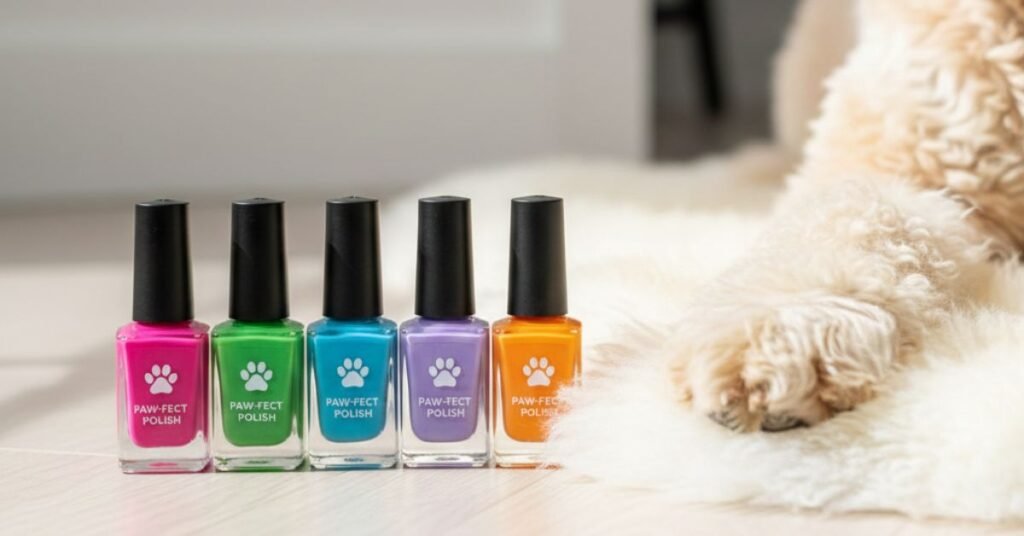
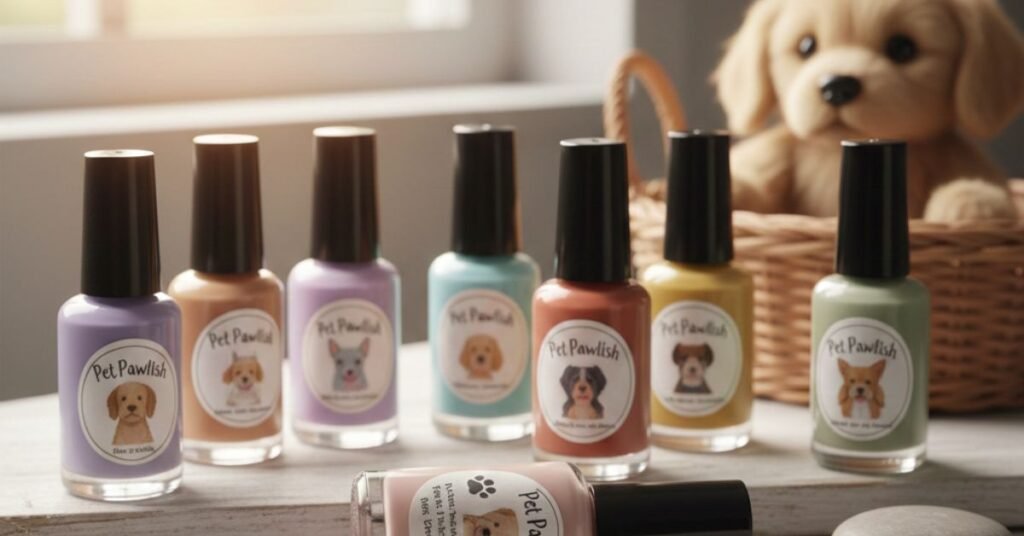
Pet safe nail polish is made using non-toxic, water-based ingredients that are safe for dogs. Unlike human nail polish, it does not contain harsh chemicals such as formaldehyde, toluene, or acetone, which can be dangerous if ingested.
Why You Should Not Use Human Nail Polish on Dogs
Dogs often lick their paws, and human nail polish contains chemicals that can cause:
- Stomach upset if swallowed
- Skin or nail irritation
- Allergic reactions
Using only dog-safe nail polish helps protect your pet’s health.
Benefits of Pet Safe Nail Polish
- Non-toxic and safe if licked
- Easy to apply and remove (no harsh removers needed)
- Quick-drying formulas
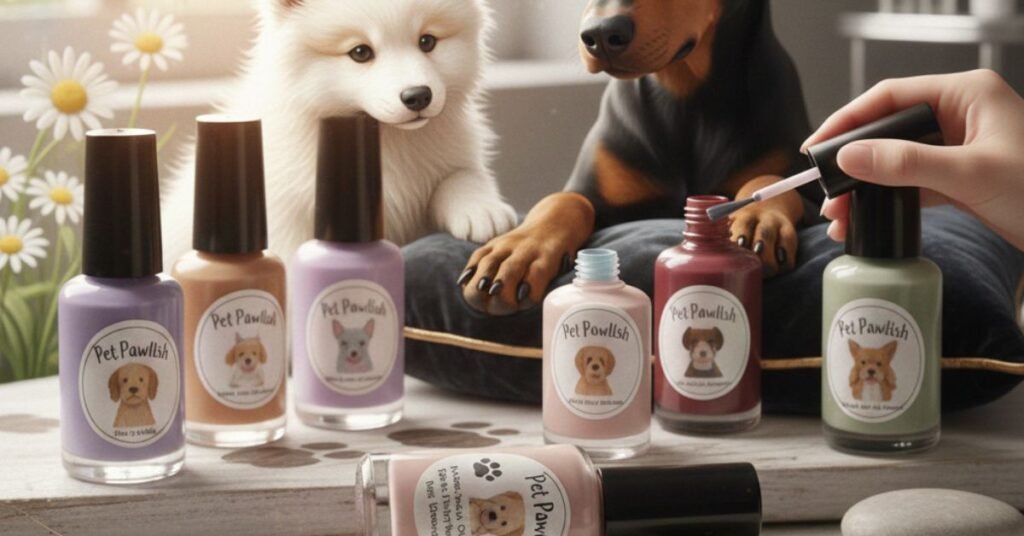
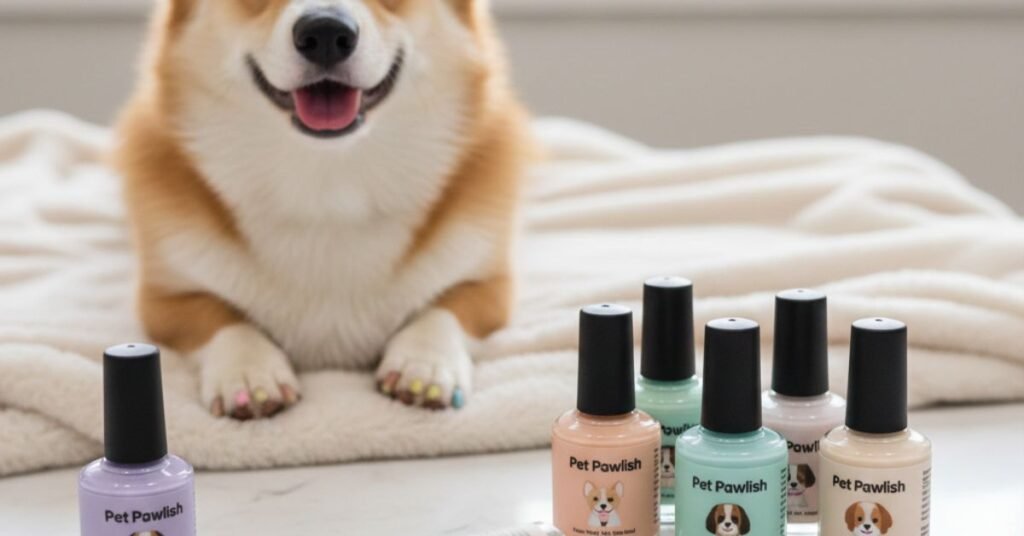
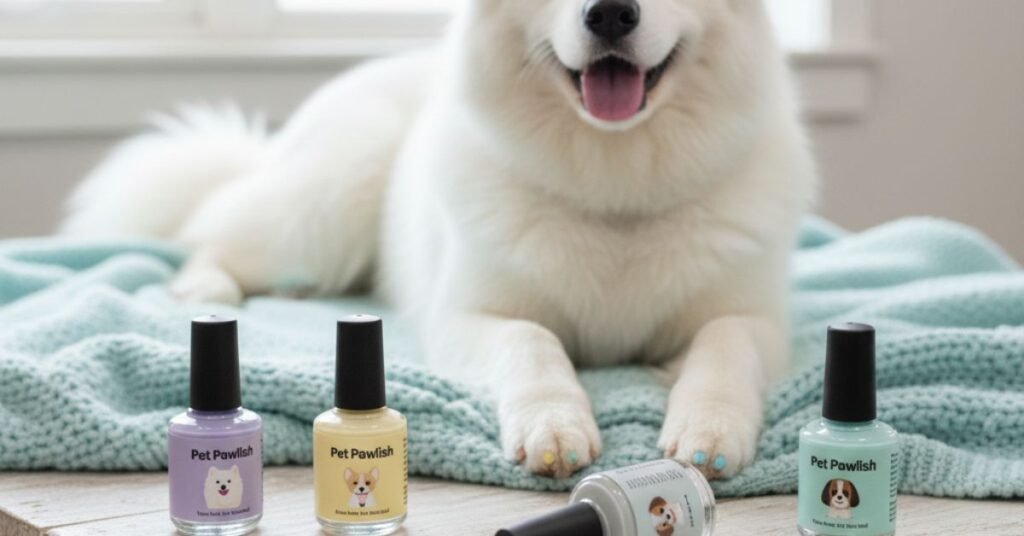
- Available in multiple fun colors
- Helps keep nails looking neat and stylish
How to Apply Nail Polish on Dogs Safely
- Trim and clean your dog’s nails first
- Choose a calm time when your dog is relaxed
- Apply a thin layer of pet safe nail polish
- Allow it to dry completely before letting your dog walk
Always reward your dog with treats to make the experience positive.
Is Nail Polish Safe for All Dogs?
Most dogs can use pet safe nail polish, but dogs with sensitive skin or allergies should be tested first. Apply a small amount and observe for any reaction.
Precautions to Keep in Mind
Even when using pet safe nail polish, some basic precautions are important:
- Always choose products labeled non-toxic and dog-safe
- Avoid applying polish on broken or infected nails
- Do not use nail polish too frequently
- Keep your dog distracted until the polish dries completely
If your dog shows signs of discomfort, redness, or excessive licking, remove the polish immediately.
How to Remove Nail Polish Safely
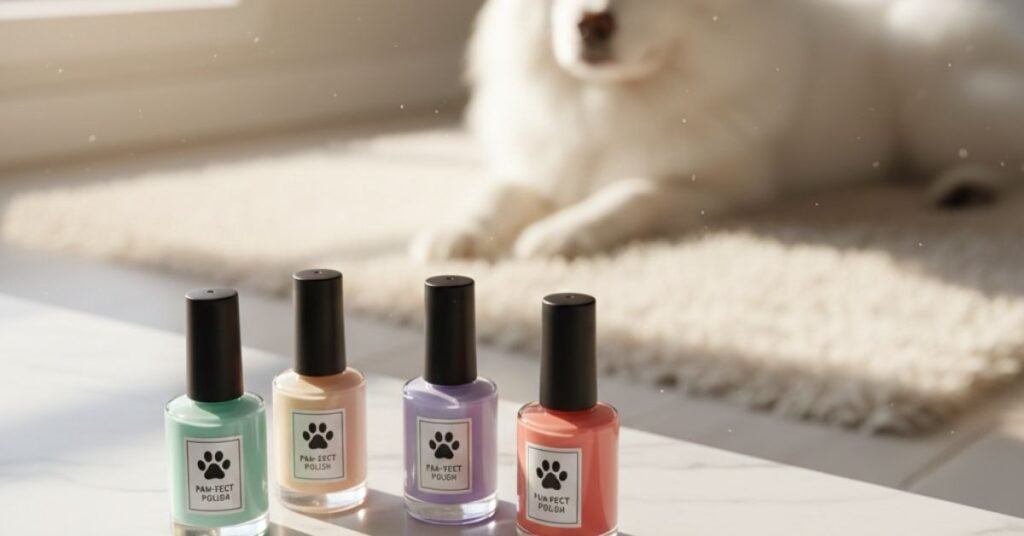
Never use human nail polish remover on dogs. Most pet safe nail polishes can be:
- Peeled off gently
- Washed off with warm water
- Removed using pet-approved removers
This prevents nail damage and keeps your dog comfortable.
Frequently Asked Questions
Can puppies use pet safe nail polish?
It’s best to avoid nail polish on very young puppies. Always consult a vet if unsure.
How long does pet nail polish last on dogs?
Usually a few days to a week, depending on activity level.
Can dogs lick pet safe nail polish?
Yes, it is designed to be non-toxic, but excessive licking should still be discouraged.
Safety Tips When Using Pet Safe Nail Polish for Dogs
Even though pet safe nail polish is made for dogs, safety should always come first. Make sure your dog’s nails are clean and healthy before application. Avoid using nail polish on cracked, broken, or infected nails. Always supervise your dog after applying polish to prevent excessive licking.
How Often Should You Use Nail Polish on Dogs?
Pet safe nail polish should be used occasionally, not as a regular grooming routine. Giving enough time between applications helps prevent nail dryness and keeps nails strong and healthy.
Signs Your Dog May Not Be Comfortable
Every dog reacts differently. If you notice redness, swelling, excessive licking, or discomfort, remove the nail polish immediately. These signs may indicate sensitivity or an allergic reaction.
Choosing the Right Pet Safe Nail Polish
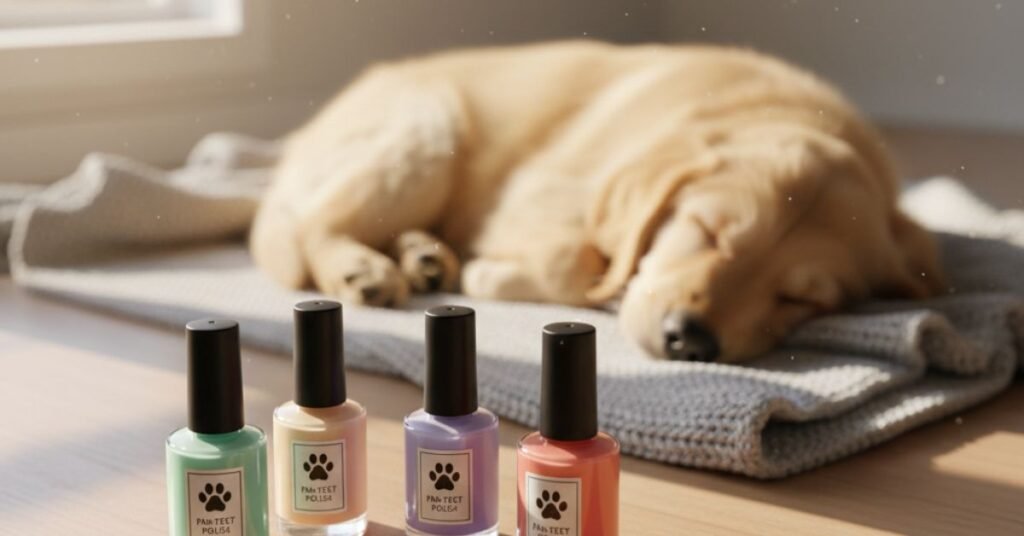
Always select products clearly labeled as non-toxic and made specifically for dogs. Avoid any nail polish that contains harsh chemicals or does not list its ingredients.
Common Ingredients to Avoid
When selecting nail polish for dogs, always stay away from products that include harsh or toxic chemicals. Ingredients such as formaldehyde, toluene, acetone, and phthalates can be harmful if your dog licks their paws. If the ingredient list is missing or unclear, it is better to avoid the product.
Benefits of Using Dog-Specific Nail Polish
Dog-specific nail polish is formulated with your pet’s safety in mind. These products are non-toxic, gentle on nails, and easy to remove. They also reduce the risk of irritation and are safer if accidentally ingested.
Tips for a Stress-Free Application
Choose a quiet time when your dog is relaxed. Apply the polish in thin layers and allow each layer to dry fully. Offering treats and positive reinforcement can help your dog stay calm and make the grooming experience enjoyable.
When to Avoid Using Nail Polish
Avoid using nail polish if your dog has nail infections, open wounds, or extremely sensitive skin. In such cases, consult a veterinarian before applying any grooming product.
Alternatives to Nail Polish for Dogs
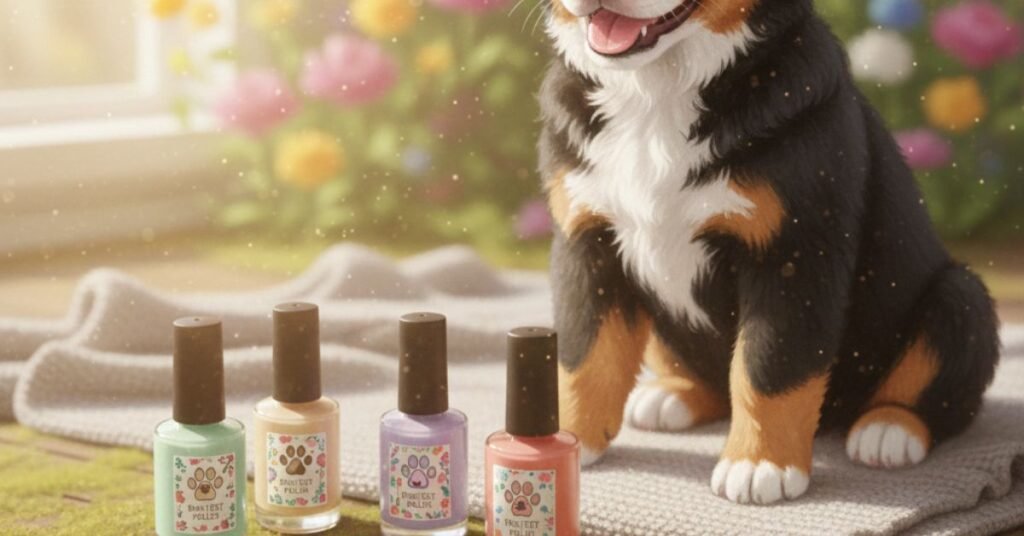
If nail polish is not suitable for your dog, there are other safe grooming options. Regular nail trimming, nail filing, and keeping nails clean can help maintain a neat appearance without using polish. These alternatives are especially helpful for dogs with sensitive skin.
Importance of Regular Nail Care
Keeping your dog’s nails at a healthy length prevents discomfort and injury. Overgrown nails can cause pain while walking and may lead to joint issues. Regular nail care is more important than cosmetic appearance.
Maintaining Healthy Nails Without Polish
Healthy nails do not require cosmetic products. Regular trimming, proper nutrition, and routine grooming help keep your dog’s nails strong and clean. A balanced diet also plays an important role in nail health.
Grooming as Part of Overall Pet Care
Nail care is an essential part of your dog’s overall grooming routine. Keeping nails at the right length reduces discomfort, improves mobility, and prevents injuries. Simple grooming habits can make a big difference in your dog’s comfort.
Pet Safety Comes First
While pet safe nail polish for dogs can be used for style, safety should always be the top priority. Understanding your dog’s needs and limits helps prevent unnecessary risks and ensures a positive grooming experience.
Creating a Positive Grooming Experience
A calm and positive environment makes grooming easier for both you and your dog. Choose a quiet place, stay patient, and never force your dog if they appear uncomfortable. Positive reinforcement such as treats and praise helps build trust and reduces stress.
Understanding Your Dog’s Comfort Level
Every dog has a different tolerance for grooming. Some dogs enjoy paw handling, while others may feel anxious. Paying attention to body language helps you know when to continue and when to stop.
Balanced Approach to Style and Care
Adding color to your dog’s nails should always be secondary to their comfort and health. Grooming should support your dog’s well-being, not cause stress or discomfort.
Making Grooming a Routine, Not a Chore
When grooming is done gently and consistently, dogs are more likely to feel comfortable. Start slowly, keep sessions short, and gradually build your dog’s confidence. This approach helps grooming feel like a normal routine rather than a stressful task.
Observing and Respecting Your Dog’s Signals
Always watch your dog’s behavior during grooming. Signs such as pulling paws away, whining, or restlessness mean it’s time to stop. Respecting these signals helps maintain trust and prevents anxiety.
Long-Term Benefits of Gentle Grooming
A careful and thoughtful grooming routine strengthens the bond between you and your dog. It also helps maintain healthy nails, paws, and overall hygiene without compromising comfort.
Building Trust Through Consistent Care
Regular and gentle grooming helps your dog feel safe and understood. When grooming is done with patience, dogs learn to trust the process, making future grooming sessions easier and more enjoyable.
Supporting Overall Health and Wellness
Healthy grooming habits contribute to more than just appearance. Clean nails and paws reduce the risk of infections, improve mobility, and support your dog’s overall well-being.
A Happy Dog Is a Healthy Dog
When grooming is stress-free, dogs are calmer, more relaxed, and confident. This positive experience plays an important role in their mental and physical health.
Encouraging Positive Grooming Habits
Creating a relaxed grooming routine helps your dog associate grooming with comfort rather than fear. Using calm movements, soft voices, and rewards can turn grooming into a positive habit over time.
Mental Well-Being Through Gentle Care
Stress-free grooming reduces anxiety and builds confidence in dogs. When dogs feel safe during grooming, it supports their emotional health and helps prevent fear-related behaviors.
Consistency Is the Key
Regular grooming at a steady pace allows dogs to adapt naturally. Consistency makes grooming predictable, which helps dogs remain calm and cooperative.
Creating a Grooming Schedule
Setting a regular grooming schedule helps your dog know what to expect. Whether it is weekly nail checks or monthly grooming sessions, a routine reduces anxiety and builds familiarity.
Patience Leads to Better Results
Every dog adjusts at their own pace. Staying patient and avoiding rushed grooming sessions allows your dog to feel secure and more willing to cooperate.
Small Steps Make a Big Difference
Short and simple grooming sessions are more effective than long ones. Gradually increasing grooming time helps dogs stay comfortable and confident.
Small Steps Make a Big Difference
Short and simple grooming sessions are more effective than long ones. Gradually increasing grooming time helps dogs stay comfortable and confident.
Start With Familiarization
Begin grooming by letting your dog get familiar with the tools. Allow them to sniff brushes, clippers, or towels before using them. This reduces fear and builds trust.
Keep Sessions Short and Positive
Start with 5–10 minute grooming sessions. End the session before your dog becomes stressed. Always praise your dog and offer gentle reassurance to create a positive experience.
Increase Time Gradually
Once your dog becomes comfortable, slowly increase grooming time over several days. This gradual approach helps dogs adjust without feeling overwhelmed.
Focus on One Task at a Time
Instead of grooming everything in one session, focus on one task such as brushing, nail trimming, or ear cleaning. This makes grooming manageable for both you and your dog.
Watch Your Dog’s Body Language
Pay attention to signs of stress like restlessness, whining, or pulling away. If your dog seems uncomfortable, pause and try again later.
Understand Common Stress Signals
Dogs communicate their feelings through body language. Yawning, lip licking, pinned-back ears, or a tucked tail often indicate discomfort or anxiety during grooming.
Stay Calm and Patient
Your dog can sense your mood. Staying calm and speaking in a soft, reassuring tone helps your dog feel safe and relaxed during grooming sessions.
Take Breaks When Needed
If your dog becomes uneasy, stop grooming and give them a short break. Forcing grooming can create fear and make future sessions more difficult.
Use Positive Reinforcement
Reward calm behavior with praise or treats. Positive reinforcement encourages your dog to associate grooming with pleasant experiences.
Build Trust Over Time
Trust does not develop in one session. Consistent, gentle grooming helps your dog feel secure and confident, making each session easier than the last.
Final Thought
Every dog is different, and understanding their body language is key to stress-free grooming. By staying patient, gentle, and attentive to your dog’s signals, you can turn grooming into a calm and positive experience that strengthens trust and comfort over time.
Pingback: Dog Pet Wipes for Gentle and Effective Daily Cleaning